
Baby Teeth Brushing Guide for Parents
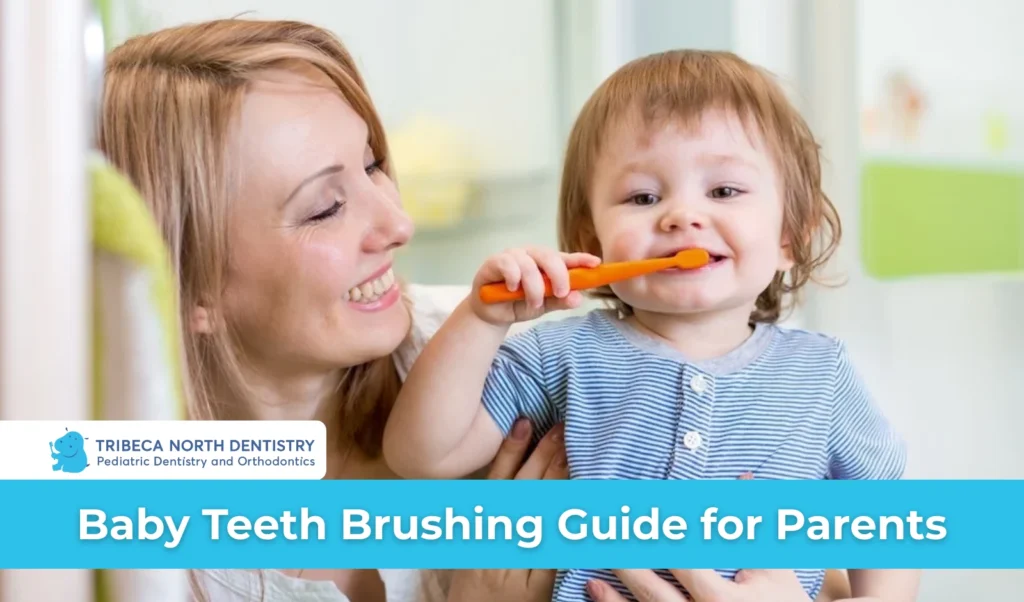
Quick Answer:
How do I brush if my baby refuses to open their mouth?
Stay calm and be patient. Gently guide your baby’s chin and brush with soft, circular motions. Using songs, talking, or letting them hold the toothbrush can help. If needed, brush a few teeth at a time. Consistency and positive reinforcement will help your baby become more comfortable with brushing over time.
Key Takeaways:
- Baby teeth are important for adult teeth and overall oral health.
- Use a soft-bristled toothbrush and a small amount of toothpaste.
- Brush all surfaces of the teeth, including chewing surfaces, to remove food and bacteria.
- Daily brushing routines help children develop good oral habits early.
Pediatric dentists can show parents the best brushing techniques and tips.
Introduction
Starting oral care early plays a vital role in protecting your baby’s smile for years to come. Brushing baby teeth the right way helps prevent cavities, supports healthy gum development, and introduces children to positive daily habits from the very beginning. These early routines not only protect baby teeth but also set the stage for strong, well-aligned adult teeth.
By learning gentle, effective brushing techniques, parents can reduce future dental issues, ease children into oral care, and help their little ones grow up feeling comfortable and confident about their smiles.
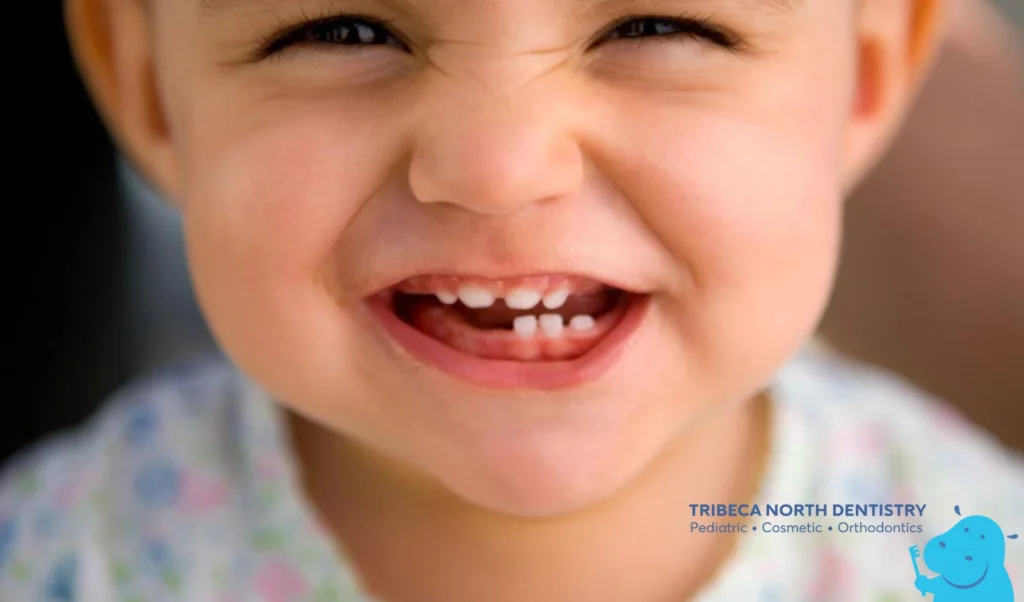
How Baby Teeth Affect Adult Teeth Development
Baby teeth are more than just temporary teeth. They guide adult teeth on where to grow and how to line up properly. If baby teeth are lost too early or develop cavities, adult teeth can come in crooked, crowded, or misaligned. That is why starting proper brushing habits early is essential.
Brushing baby teeth removes plaque, lowers the risk of cavities, and keeps gums healthy. Healthy baby teeth also help children chew food properly, speak clearly, and develop strong oral hygiene habits. Consistent tooth brushing from the first tooth ensures children build good habits and gives adult teeth the best chance to grow correctly. Parents who focus on proper brushing early also help children feel secure and confident with oral care.
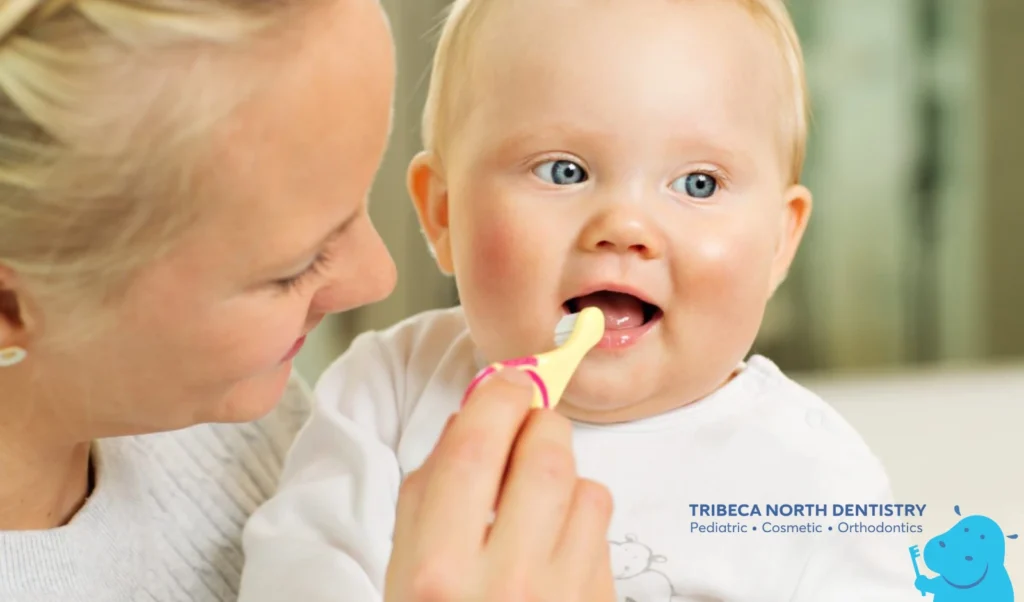
Common Mistakes Parents Make Brushing Baby Teeth
Some parents make mistakes without realizing it. One common error is using too much toothpaste. For young children, a rice-grain–sized amount of fluoride toothpaste is sufficient. Using more can be harmful if swallowed.
Another mistake is brushing too quickly or skipping areas. Food and bacteria can hide on the back teeth or chewing surfaces, so brushing all areas is important. Some parents wait too long to start brushing or assume baby teeth are not that important. Neglecting early brushing can cause cavities, gum problems, and habits that are harder to correct later.
Gently guiding children and explaining why brushing is important helps them develop healthy habits naturally. Adding short, fun stories about brushing or letting children watch themselves in a mirror can make tooth brushing more engaging.
Step-by-Step Guide to Brush Baby Teeth
Follow these simple steps to make brushing your baby’s teeth safe, effective, and fun.
- Prepare your baby: Wash your hands and place your baby in a safe, comfortable position, like on your lap.
- Use the right tools: Use a soft-bristled toothbrush and a smear amount of fluoride toothpaste.
- Brush all surfaces: Move the brush in small circles to clean the front, back, and chewing surfaces of every tooth.
- Focus on gums: Brush lightly along the gum line to remove food and keep gums healthy.
- Make it fun: Sing a song or play a short game to help your child enjoy brushing.
- Rinse and repeat: Wipe your baby’s mouth with a damp cloth. Brush twice a day, in the morning and before bed.
Doing these steps daily helps your child develop good habits. Over time, children can learn to brush their own teeth under supervision. Tooth brushing becomes a positive and normal part of their routine. Praise, small rewards, or letting children choose their toothbrush can make brushing even more enjoyable.
Final Thoughts
Brushing baby teeth may seem simple, but doing it correctly builds a lifetime of healthy oral habits. Healthy baby teeth prevent cavities, gingivitis, and ensure adult teeth grow in properly. Parents who use the right tools, follow the right steps, and brush consistently give their children the best start for strong teeth and a confident smile.
Even small mistakes, like skipping surfaces or using too much toothpaste, can affect oral health. Gentle brushing combined with guidance from a pediatric dentist helps children develop safe and effective habits. Consistent care allows children to feel confident and comfortable during tooth brushing. Establishing these routines early also gives parents peace of mind, knowing their child is learning strong oral hygiene habits for life.
Keep Your Child’s Smile Bright
Starting healthy oral habits early makes a huge difference in your child’s dental future. Brushing baby teeth correctly helps prevent cavities, keeps gums healthy, and guides proper adult teeth development. Parents who create a regular brushing routine give their children a strong foundation for lifelong oral health.
For advice on brushing techniques or preventive care, schedule an appointment with Tribeca North Dentistry. Our team provides gentle, expert care for young children and helps parents build healthy oral habits at home. The staff can answer questions about brushing techniques, the right amount of toothpaste, and keeping brushing fun. Call today to book a consultation: (212) 966-6680.
Frequently Asked Questions
When should I begin brushing my baby’s teeth?
Brushing should begin as soon as the first tooth emerges. Even a single tooth can trap bacteria, so gentle brushing with a soft-bristled toothbrush is important from the start.
What type of toothpaste is safe for my baby?
Use a smear amount of fluoride toothpaste designed specifically for young children. Adult toothpaste may contain higher fluoride levels and is not usually recommended for babies.
How often should I brush my baby’s teeth?
Brushing twice daily, in the morning and before bedtime, is recommended to maintain healthy teeth and gums. Consistent tooth brushing helps establish lifelong oral hygiene habits.
How can I encourage my baby to cooperate during brushing?
Make brushing enjoyable by incorporating songs, short games, or allowing your child to hold the toothbrush. Patience, gentle guidance, and routine help children adjust to tooth brushing over time.
When is it appropriate to schedule a pediatric dental visit?
Your child should see a pediatric dentist by their first birthday or when the first tooth appears. Regular dental visits provide professional guidance on brushing techniques and preventive care.