Dental Sealants for Kids at Tribeca North Dentistry
Extra protection to help prevent cavities and support long-term oral health
At Tribeca North Dentistry, we offer dental sealants for kids as a simple and effective way to protect children’s teeth from cavities.
Protecting Children’s Teeth with Dental Sealants
Dental sealants are a proven preventive measure that helps shield vulnerable areas of the teeth from decay, especially in children who are still learning proper brushing habits.
Our dental office provides gentle, kid-friendly care focused on prevention and long-term oral health. Sealants are commonly recommended as part of routine pediatric dentistry to help reduce the risk of cavities in growing smiles.
What Are Dental Sealants for Kids
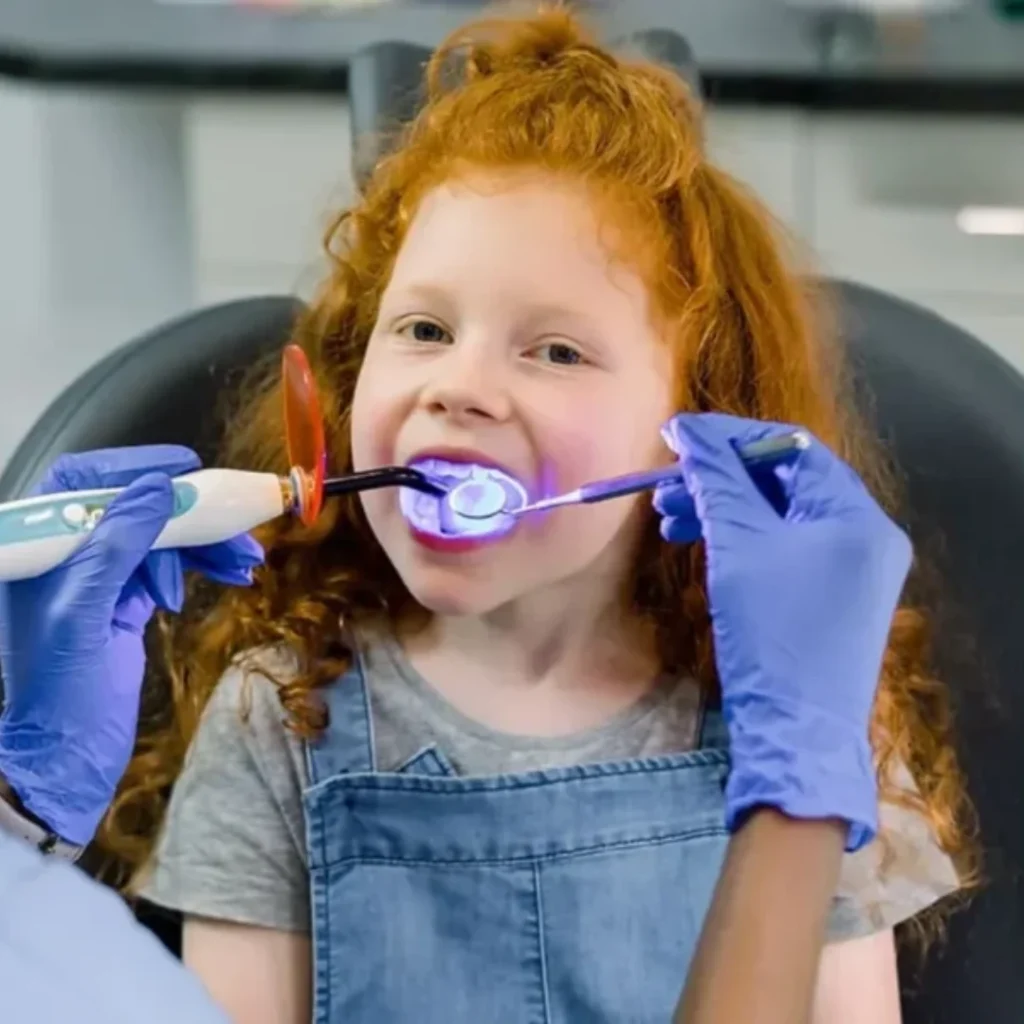
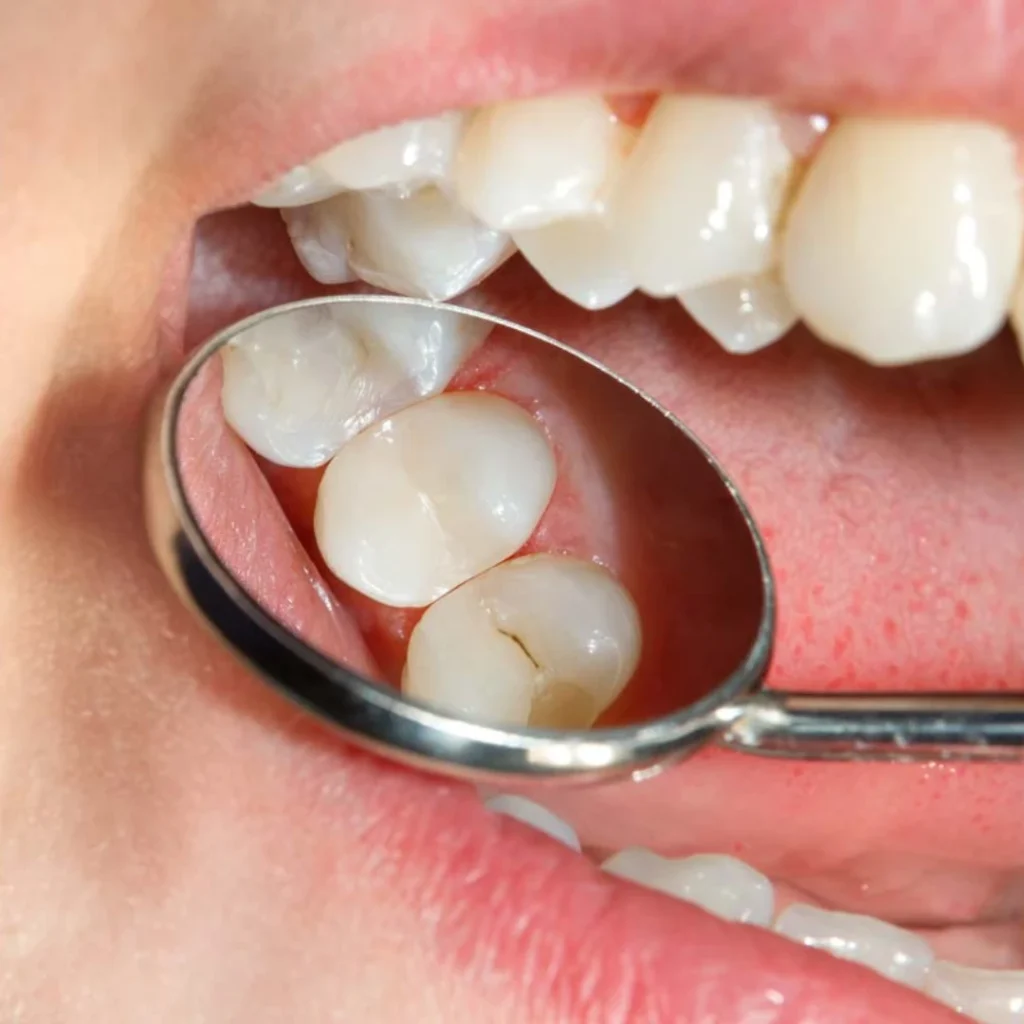
Dental sealants are thin protective coatings applied to the chewing surfaces of the back teeth. These areas often have grooved and pitted surfaces that trap food and bacteria, making them harder to clean with brushing alone.
Because dental sealants are thin, they bond smoothly to the tooth surface without changing how teeth look or feel. Once placed, sealants act as a barrier that blocks bacteria and food particles from settling into deep grooves.
Why Dental Sealants Are Important for Children
Children are especially prone to cavities as they grow and develop new teeth. Even with regular brushing, the chewing surfaces of molars can be difficult to clean fully.
Sealants help
- Prevent cavities and tooth decay
- Reduce the risk of decay in hard-to-clean areas
- Protect your child’s teeth during cavity-prone years
- Support oral health between regular dental visits
- Lower the long-term risk of cavities
Sealants are one of the most effective preventive tools available in pediatric dentistry.
Looking for Dental Sealants for Kids Near You
If you are searching for dental sealant for kids, our team provides gentle, effective care in a welcoming environment. We focus on comfort, education, and prevention to support your child’s oral health.
📍 Location: Tribeca North Dentistry
78 Laight St, New York, NY 10013, United States
📞 Phone: 212-966-6680
Dental Sealant Procedure for Kids
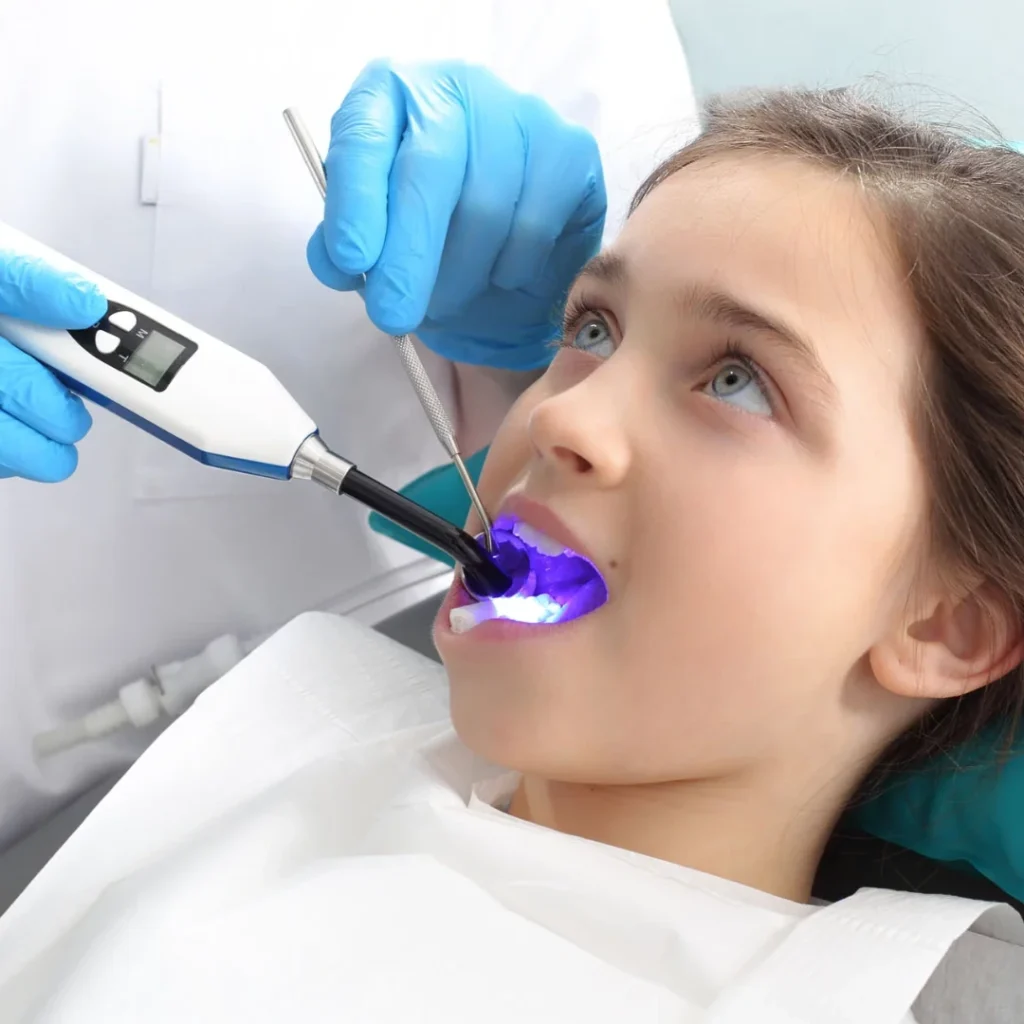
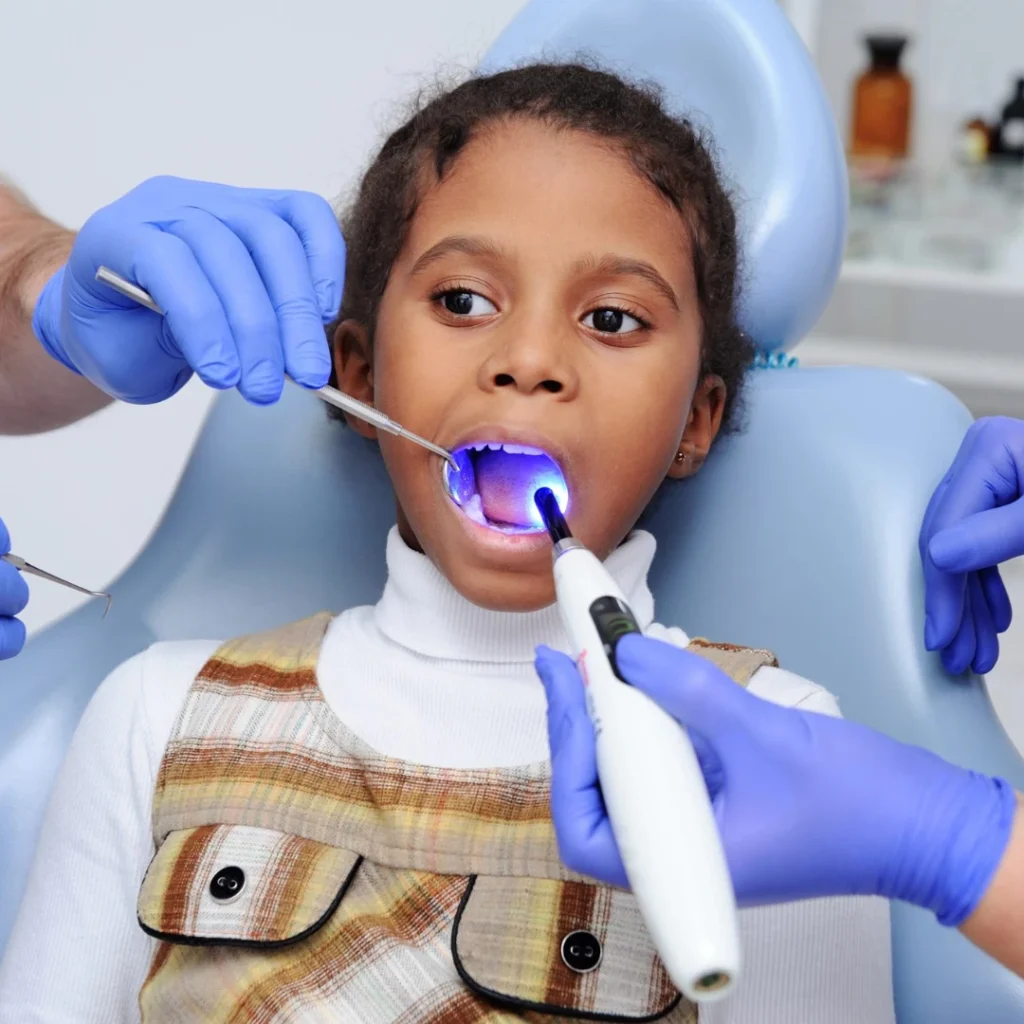
The dental sealant procedure for kids is quick, painless, and non-invasive. No drilling or numbing is required, making it ideal for children.
The process typically includes
- Cleaning the tooth surface
- Preparing the tooth so the sealant bonds properly
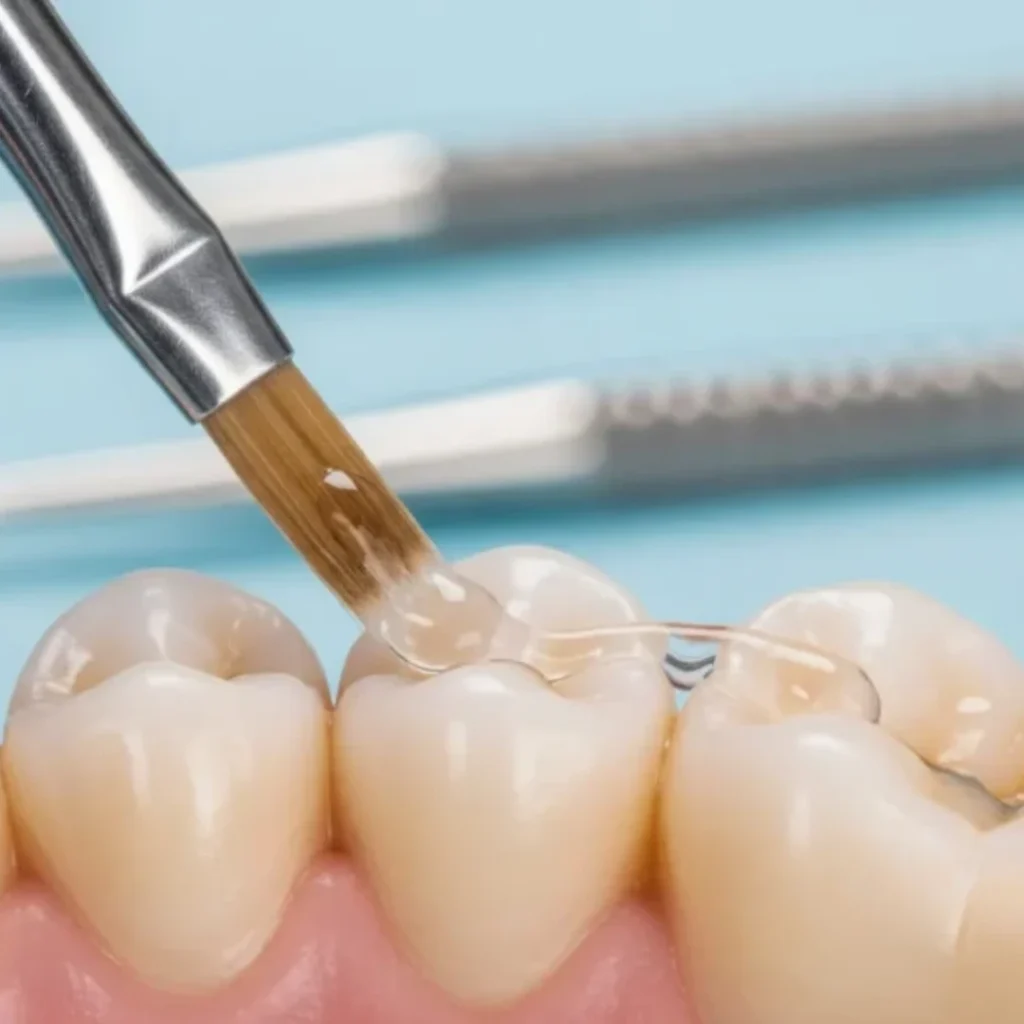
- Applying sealants in liquid form
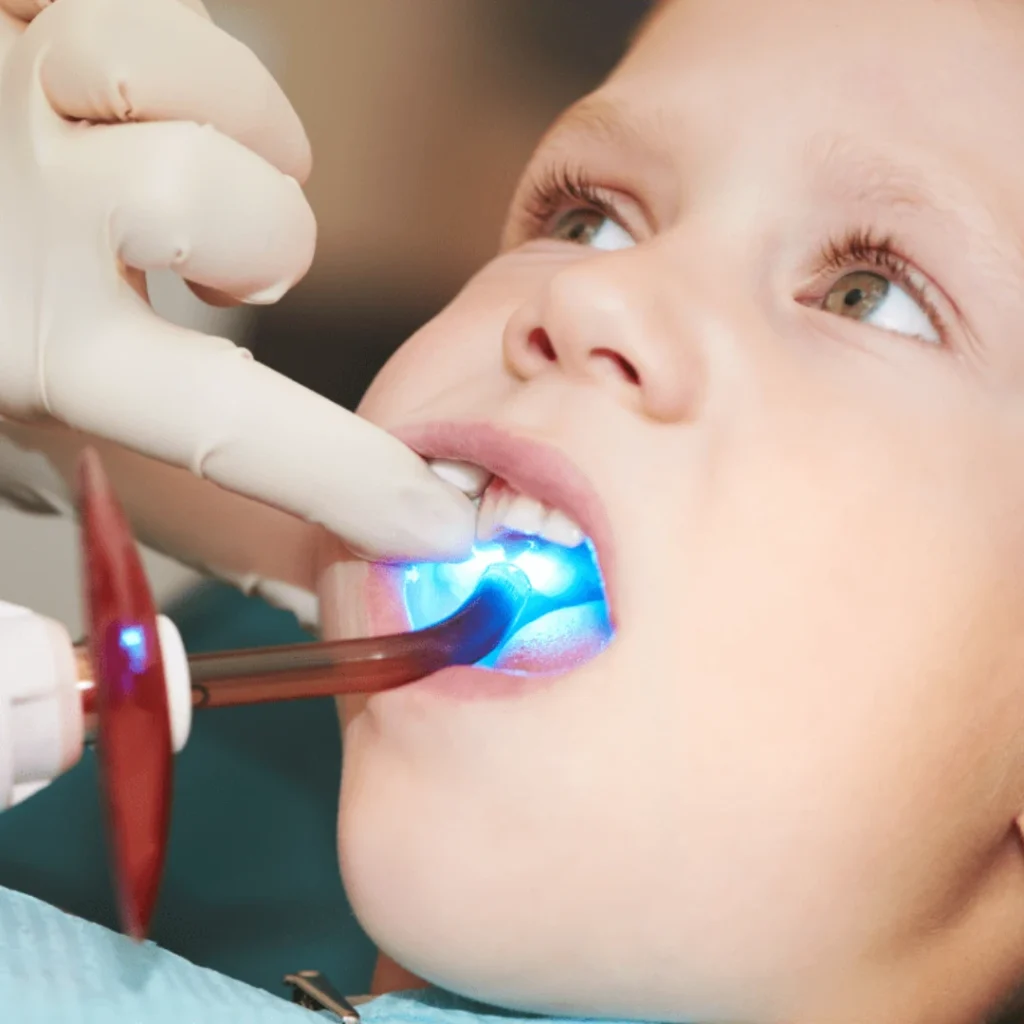
- Using a special light to harden the liquid sealant
- Checking the bite to ensure comfort
The entire visit is usually completed in one appointment, and children can eat and drink normally right after.

How Applied Dental Sealants Work
Once applied, dental sealants harden and create thin protective coatings applied directly to the chewing surfaces. This smooth layer prevents food and bacteria from settling into grooves that can lead to cavities.
Sealants do not replace brushing and flossing, but they work alongside daily oral care to protect teeth more effectively.

Who Should Get Dental Sealants
Dental sealants are commonly recommended for
- Children with newly erupted molars
- Kids with deep grooves in their teeth
- Children are at a higher risk of cavities
- Patients receiving preventive care through pediatric dentistry
Your dentist will evaluate your child’s teeth and determine whether sealants are the right option.
How Long Do Dental Sealants Last
With good oral hygiene and years of proper care, dental sealants can last several years. During regular dental visits, your dentist will check the condition of the sealants and reapply them if needed.
Sealants continue to protect teeth as children grow and develop stronger brushing habits.
A Preventive Approach to Pediatric Dentistry
At Tribeca North Dentistry, we believe prevention is key. Sealants are part of a larger preventive plan that includes cleanings, exams, and education.
Our goal is to help children maintain healthy teeth while avoiding more complex dental treatments in the future. Sealants play an important role in preventing tooth decay during critical growth years.
Tribeca North Dentistry is here to make you smile.
Frequently Asked Questions
What are dental sealants?
Dental sealants are thin protective coatings placed on the chewing surfaces of back teeth to help protect them from cavities.
Why are dental sealants recommended for children?
The grooves on children’s molars can trap food and bacteria, making them more difficult to clean. Sealants help protect these areas from tooth decay.
Which teeth usually receive dental sealants?
Dental sealants are most commonly placed on permanent molars because these teeth are more likely to develop cavities in their deep grooves.
How do dental sealants help prevent cavities?
Sealants create a protective barrier over the chewing surfaces of teeth, helping prevent food particles and bacteria from collecting in hard-to-clean areas.
Do sealants replace brushing and flossing?
No. Sealants work together with brushing, flossing, and regular dental visits to help protect your child’s teeth.
Are dental sealants worth it for kids?
Many parents choose sealants because they can help reduce the risk of cavities in areas that are often difficult for children to clean effectively.
How are dental sealants applied?
The tooth is cleaned and prepared before the sealant material is applied and hardened. The procedure is quick and typically completed in a single visit.
Does getting dental sealants hurt?
No. The procedure is non-invasive and does not typically require drilling or numbing.
How long do dental sealants last?
Dental sealants can last for several years with proper care. Your dentist will monitor them during routine dental visits.
At what age should children get dental sealants?
Many children receive sealants after their permanent molars erupt, although recommendations vary based on individual dental needs.
Can sealants be applied during a regular dental visit?
Yes. Dental sealants are often placed during a routine preventive dental appointment.
How do I know if my child needs dental sealants?
A dental examination can help determine whether sealants may be beneficial based on your child’s cavity risk and the condition of their teeth.