At Tribeca North Dentistry, we help patients find relief from jaw discomfort caused by problems with the joint that connects the jaw to the skull. This joint relies on a complex system of muscles, ligaments, and bones working together during the opening and closing of the mouth.
When these structures are overworked or irritated, symptoms such as jaw clicking, stiffness, or pain can develop. Our goal is to treat TMJ-related issues using conservative, personalized care that restores comfort and function.
Jaw joint disorders occur when the muscles that control jaw movement become strained or when the joint does not move smoothly. This can be caused by several factors, including grinding your teeth, stress, bite alignment issues, or muscle overuse.
Common symptoms include
Jaw clicking or popping
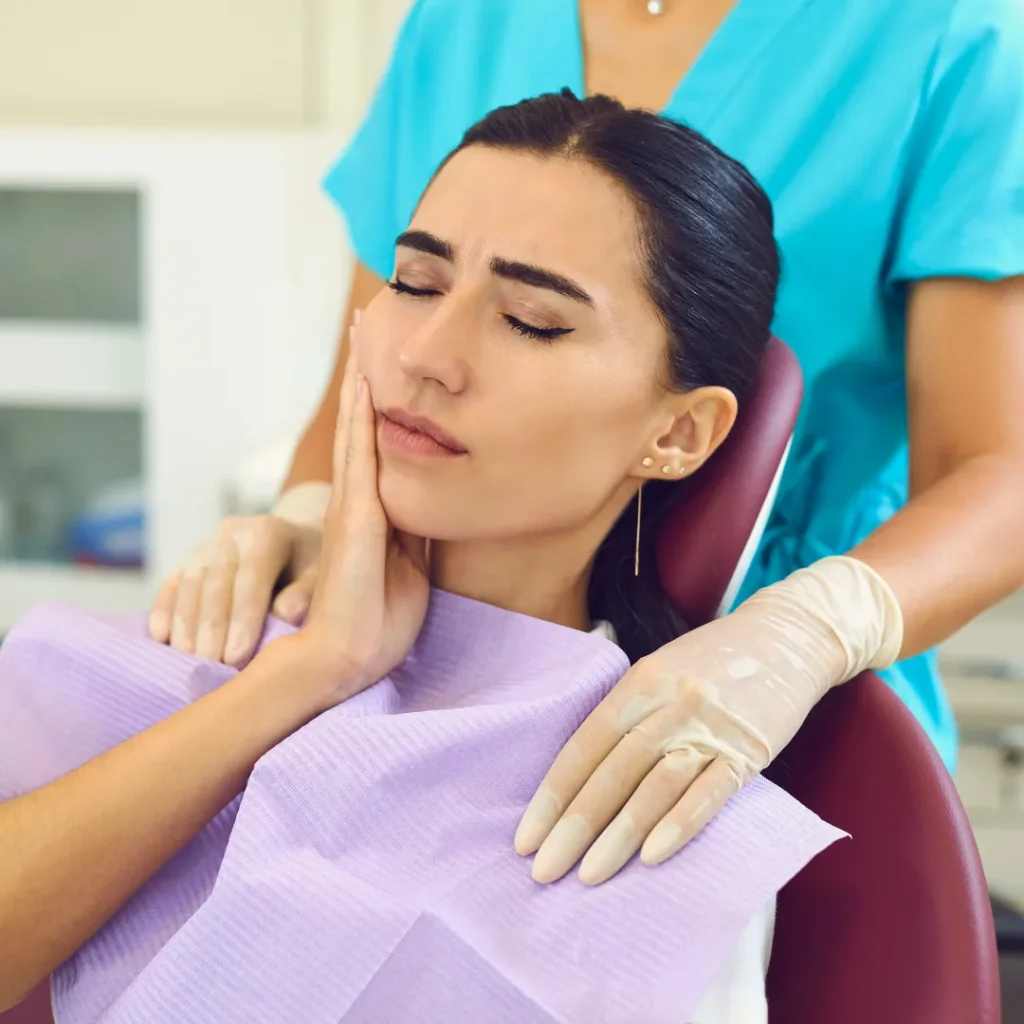
Facial or jaw pain
Difficulty chewing
Muscle spasms
Tension when you close your mouth
Discomfort while eating or speaking
Because these joints are used constantly throughout the day, untreated issues can worsen over time.
• Feel pain when chewing or talking • Experience jaw clicking or locking • Notice your teeth fit unevenly • Wake up with jaw soreness or headaches • Tend to tighten your jaw muscles during stress • Have pain related to chewing muscles
Seeking early care helps reduce muscle tension and prevent more severe joint problems.
Looking for Jaw Pain Treatment Near You in Tribeca?
If you are searching for TMJ treatment near you or a TMJ specialist near you, our Tribeca dental team provides thorough evaluations and targeted care plans.
Care is always customized based on symptoms, jaw movement, and bite alignment. Your treatment options may include:
Custom Dental Appliances
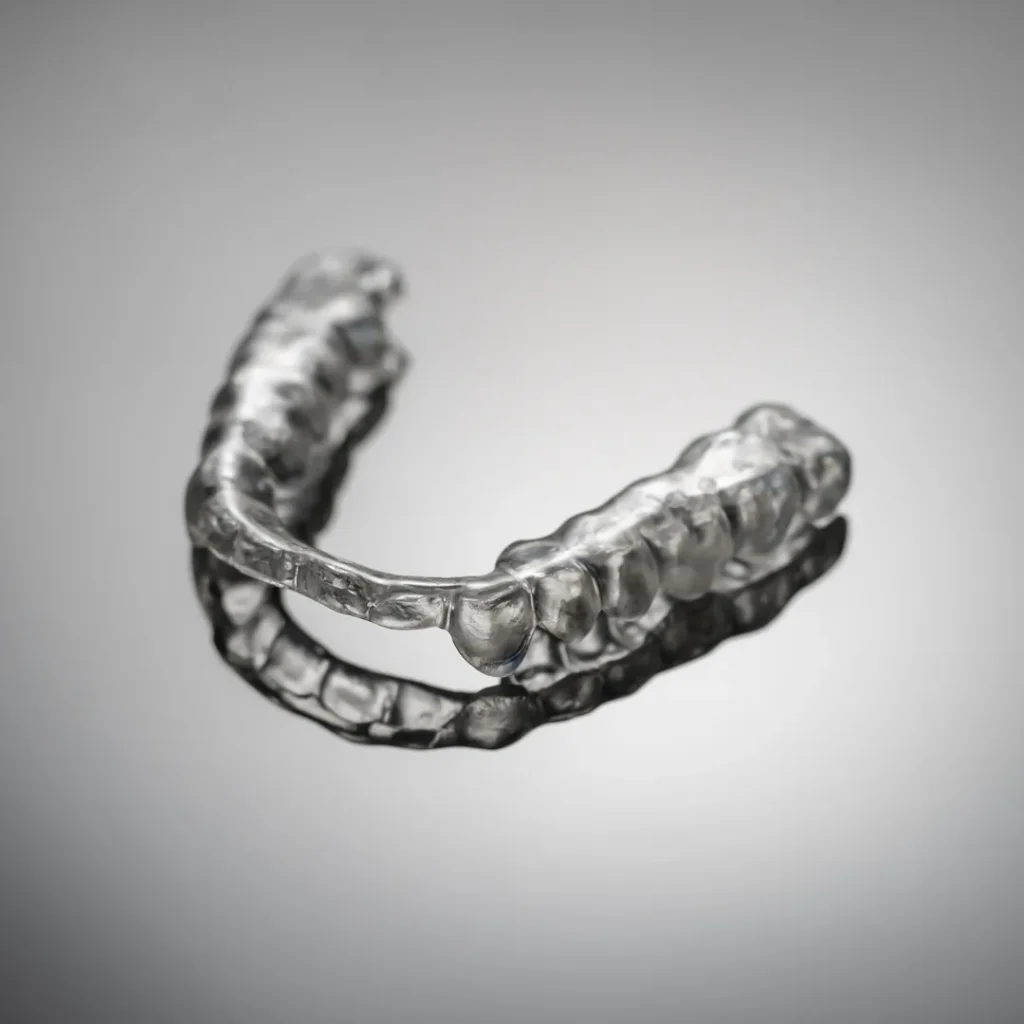
Night guards or bite appliances help reduce pressure caused by clenching or grinding your teeth. These appliances protect the teeth and help relax the muscles that support the jaw.
Bite and Alignment Evaluation
When the way your teeth come together places stress on the joint, adjustments may be recommended to improve balance and comfort.
Muscle Support and Pain Management
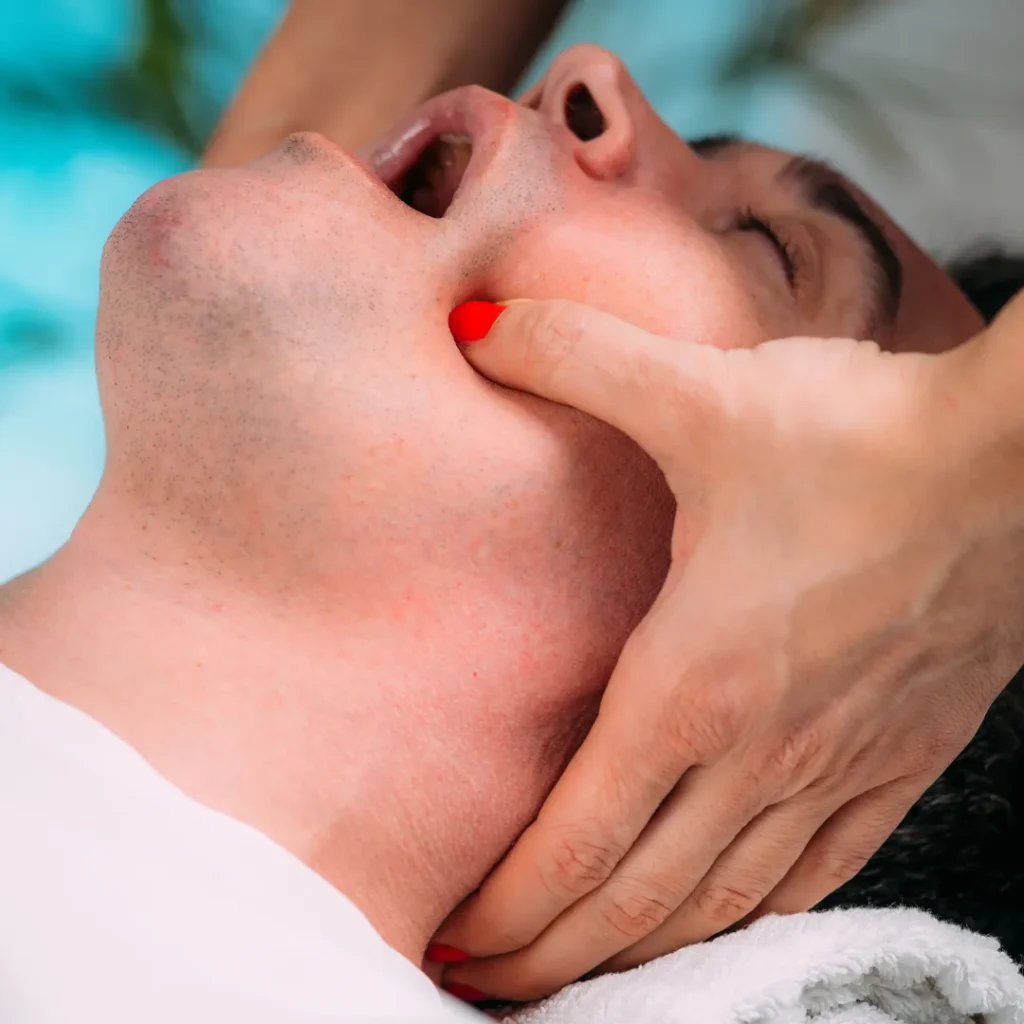
Treatment may include guidance on jaw exercises, posture correction, and recommendations for pain relievers or muscle relaxers when appropriate to reduce inflammation and muscle spasms.
Lifestyle and Habit Guidance
Simple changes such as avoiding hard foods, learning how to avoid overuse, and choosing to eat soft foods during flare-ups can help ease symptoms.
Advanced Care
In rare cases where conservative care is not effective, further evaluation may be needed. TMJ surgery is considered only when all non-invasive options have been exhausted.
Your visit begins with a detailed discussion of symptoms and a review of your medical history. We assess jaw movement, listen for joint sounds during opening and closing, and evaluate the muscles and ligaments involved in chewing.
Digital imaging may be used to understand joint positioning better and rule out other causes of discomfort. Based on findings, we recommend a plan designed to restore function and comfort.
Treatment may include custom dental appliances, bite evaluations, jaw exercises, lifestyle modifications, and other conservative approaches designed to reduce strain on the joint.