Understanding Dental Sealants and Children’s Oral Health
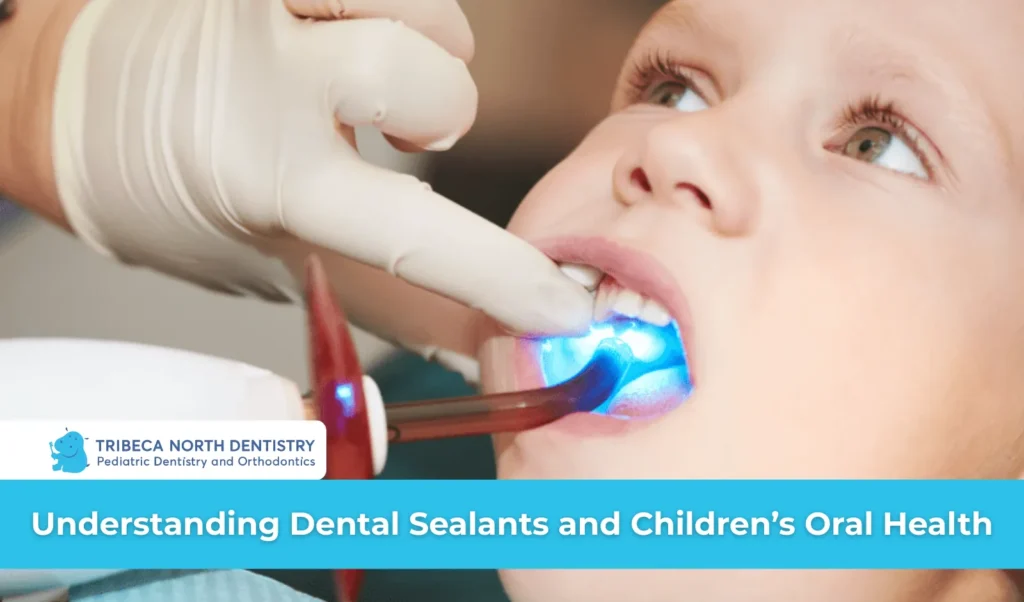
As a parent, you want to do everything possible to protect your child’s smile. When dentists recommend preventive treatments, it’s natural to pause and ask questions, especially one many families search for: is dental sealant safe for kids? Understanding how sealants work and why they’re commonly used can help you make confident decisions about your child’s oral health.
This guide explains what dental sealants are, how they’re used in pediatric dentistry, which children benefit most, and when to speak with a dentist. The goal is to give you clear, calm information without overwhelming details.
What Are Dental Sealants?
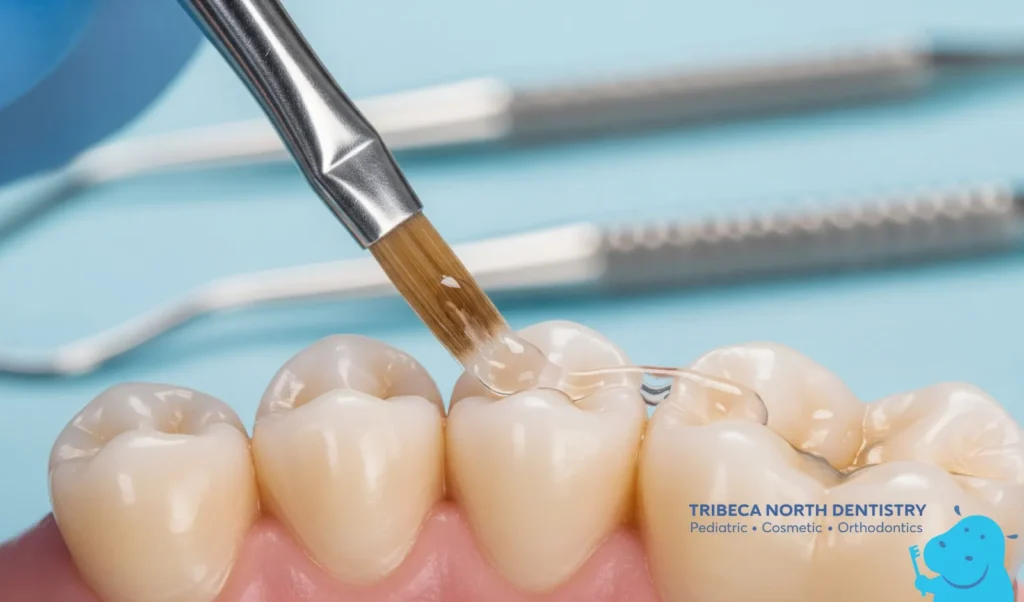
Dental sealants are thin, protective coatings placed on certain teeth to help reduce the risk of cavities. Many parents hear that dental sealants are thin, but strong enough to act as a barrier against everyday wear and tear.
Sealants are applied to the chewing surfaces of teeth, where food particles and bacteria often collect. These areas can be harder to clean with brushing alone, especially for children who are still learning good oral hygiene habits.
Are Dental Sealants Safe for Kids?
A common question in pediatric dentistry is whether dental sealants are safe for kids. Dental sealants have been used for many years as part of preventive dental care and are widely supported by professional dental organizations, including the American Dental community.
Sealants are designed to sit on the surface of the tooth. They do not change the structure of the tooth and are used as an added layer of protection, especially for children who may be at high risk for cavities.
How Dental Sealants Work
To understand why dental sealants are helpful, it’s important to look at how cavities often form.
Why Back Teeth Are More Vulnerable
The molars and premolars have uneven surfaces with deep grooves. These grooves can trap food particles, even with regular brushing, making them harder to keep clean over time.
Where Sealants Are Placed
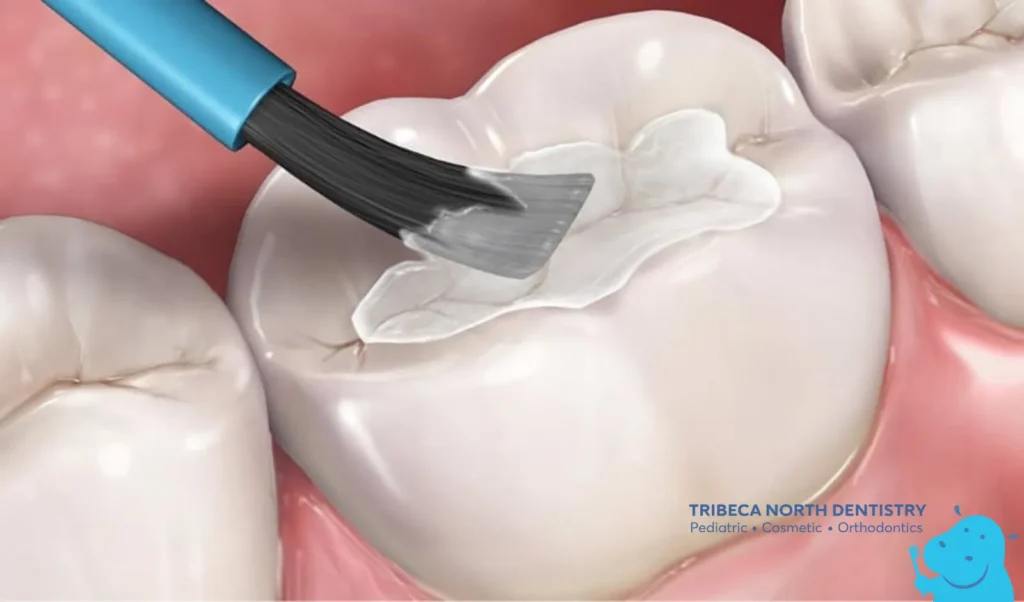
Sealants are applied to the chewing surfaces of the back teeth. When sealants are applied, they flow into the grooves and harden, creating a smooth surface that is easier to maintain. This protective coating helps block bacteria and debris from settling into hard-to-reach areas.
Which Children Benefit Most from Sealants?
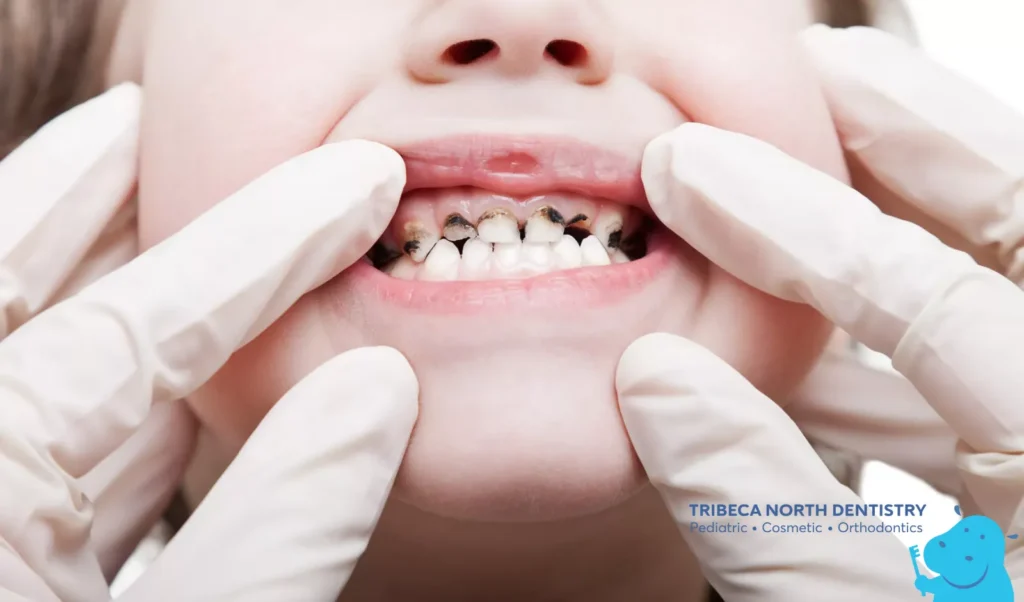
Pediatric dentists often recommend sealants for children at the age when their back teeth first begin to emerge. This typically includes:
- Children with newly erupted permanent teeth
- Kids who have difficulty brushing hard-to-reach areas
- Children with a history of cavities
- Those considered at high risk for tooth decay
Sealants may also be discussed for certain baby teeth if those teeth have deep grooves and are expected to stay in place for several years.
What Parents Should Know About the Process
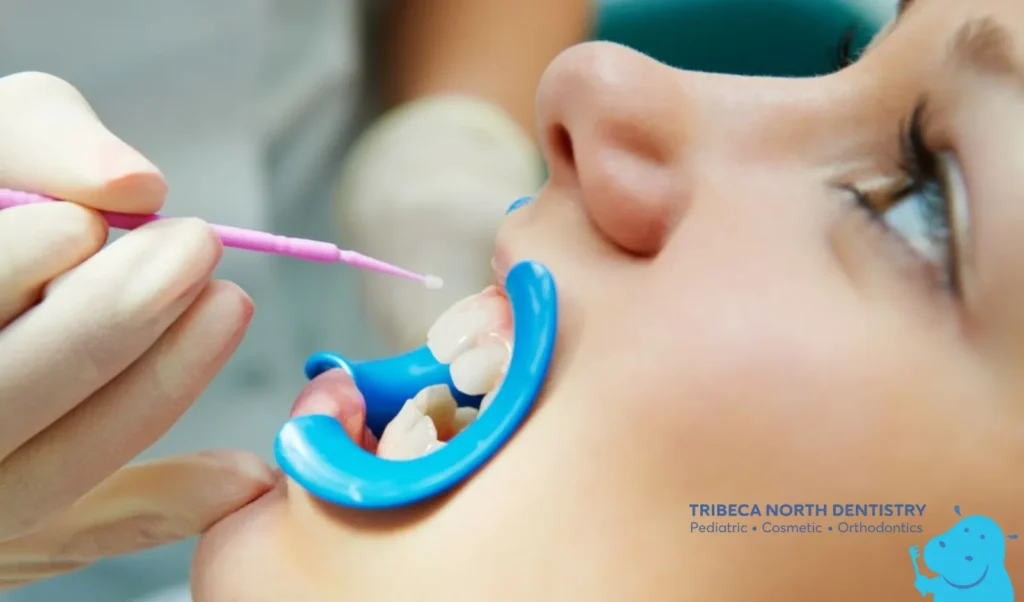
Many families wonder what happens during applying sealants. The process is usually quick and child-friendly.
What to Expect During a Visit
- Teeth are cleaned and dried
- A special solution helps the sealant material bond to the tooth
- The coating is brushed onto the surface
- The sealant hardens and becomes part of the tooth’s surface
There is no drilling involved, which makes sealants a low-stress option for many children.
Supporting Sealants with Good Oral Hygiene at Home
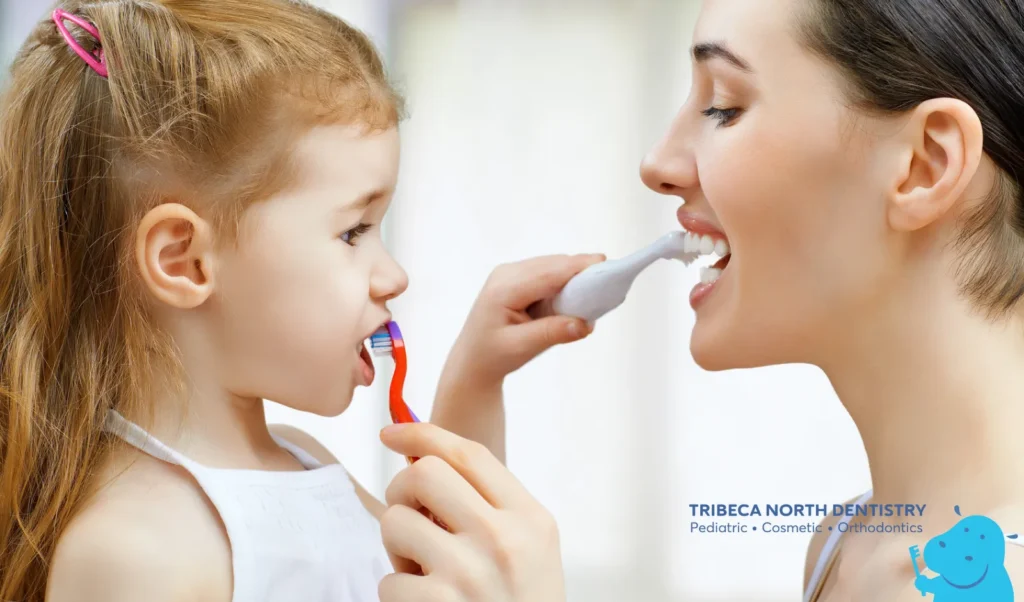
While sealants play a helpful role in preventing cavities, they work best alongside daily care.
Simple At-Home Tips for Parents
- Encourage brushing twice a day
- Help younger children brush back teeth thoroughly
- Limit sugary snacks that stick to teeth
- Remind kids to rinse their mouth after meals
Good oral hygiene habits help protect both sealed and unsealed teeth.
When to Call a Dentist
Sealants are part of a broader preventive approach. You should contact a dentist if:
- Your child complains of ongoing tooth discomfort
- You notice visible changes in tooth surfaces
- Back teeth are erupting and you want preventive options
- Your child has had cavities in the past
A dentist can assess whether sealants are appropriate and discuss other ways to support long-term oral health.
Why Pediatric Dentists Recommend Sealants
Pediatric dentists focus on prevention as much as treatment. By addressing cavity risk early, families may reduce the need for more complex dental care later. Sealants are one tool among many that pediatric dentistry uses to help children maintain healthy smiles as they grow.
Final Thoughts: Making Confident Choices for Your Child
For many families considering dental sealants for their children, sealants offer an added layer of protection during important stages of dental development. When combined with regular dental visits and consistent home care, sealants can support healthier teeth and fewer dental concerns over time.
Understanding preventive options empowers parents to make informed choices that fit their child’s needs and comfort level.
Professional Care for Your Child’s Smile
If you’re unsure whether dental sealants are the right choice for your child or would like to better understand preventive options in pediatric dentistry, professional guidance can offer clarity and reassurance. A gentle dental visit provides the opportunity to ask questions, learn about your child’s unique needs, and explore ways to support healthy teeth as they grow.
Call Tribeca North Dentistry at 212-966-6680 to schedule a visit and receive compassionate, family-friendly dental care you can trust.