

Quick Answer
Lorem ipsum dolor sit amet, consecte
What are the best pediatric dental care tips for children?
The short version: brush and floss daily, use the right fluoride toothpaste, limit sugary snacks, and keep up with checkups. These simple habits support healthy teeth and gums and lower the risk of tooth decay.
tur adipiscing elit. Ut elit tellus, luctus nec ullamcorper mattis, pulvinar dapibus leo.
Key Takeaways
- Brush twice a day and floss daily
- Use a pea sized amount of fluoride toothpaste
- Limit sugary foods and drinks
- Schedule dental checkups on time
- Watch for early signs of tooth decay
- Protect baby teeth for a healthy smile
Good oral health starts early. Teaching your child healthy habits now can protect their smile for life. Simple tips for children can fit right into your daily routine without much extra effort. With patience and the right guidance, families can build habits that last a lifetime.
Why Children's Dental Health Starts Early
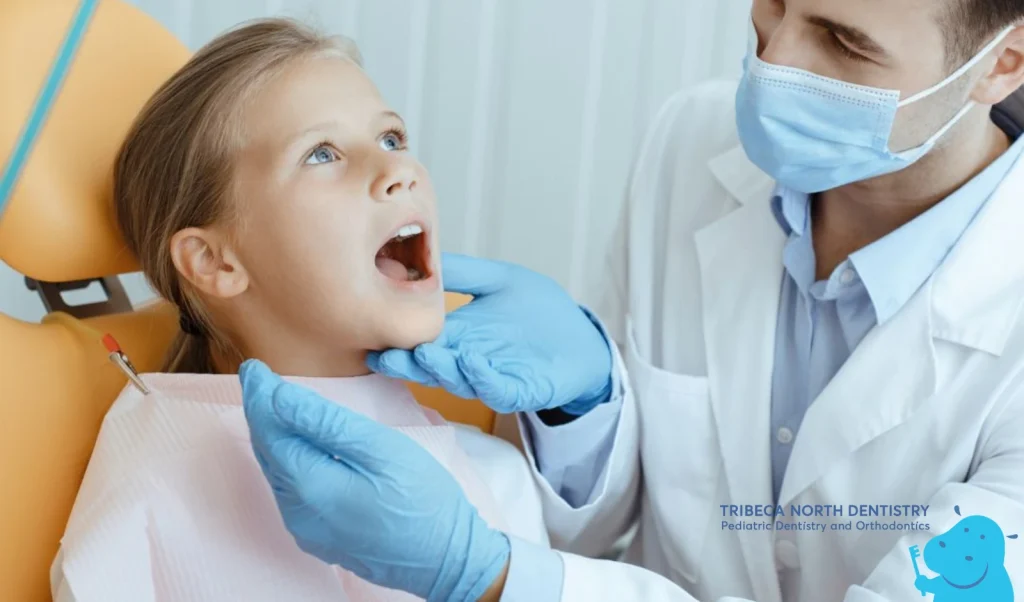
Baby teeth hold space for permanent teeth and help with speech and chewing. Skipping care in the early years can lead to untreated cavities, pain, and other problems that affect a growing smile. A child’s dental exam early on can catch these issues before they grow, giving little mouths the best chance to stay strong until permanent teeth arrive.
How Should Kids Brush and Floss Each Day?
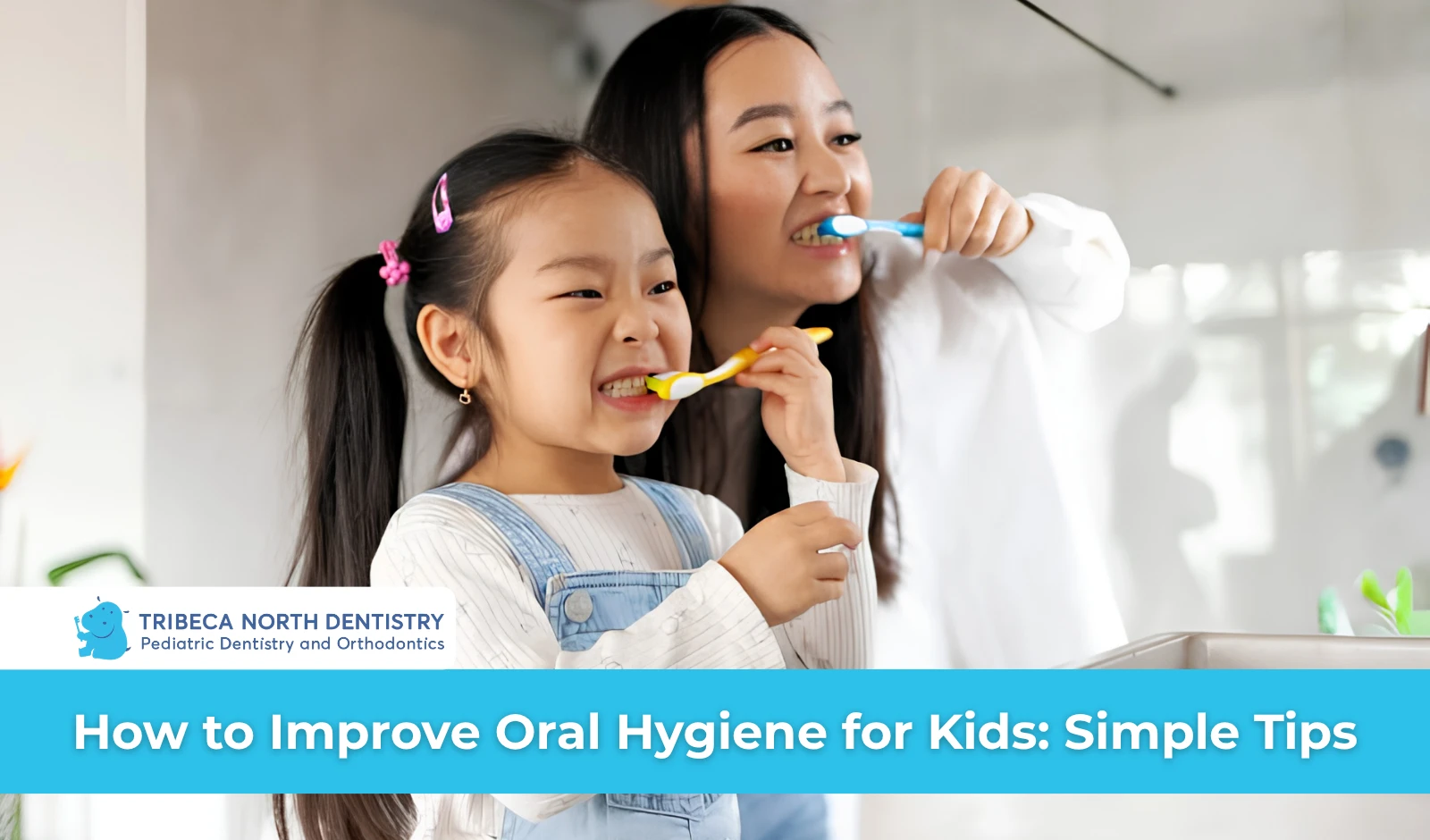
Brushing and flossing are the base of any home routine. Children should brush twice a day, especially before bed, and start flossing once teeth touch. For children ages three and up, use a pea sized amount of fluoride toothpaste. Younger kids need less, so ask your dentist about the right amount for your child’s teeth.
Tips for making it easier:
- Supervise brushing their teeth until they can do it well alone
- Use a soft-bristled, child-sized toothbrush
- Set a two-minute timer or play a song
- Make it a fun, positive part of the day
What Foods Help Protect Your Child's Teeth?
What kids eat and drink plays a big role in cavity prevention. Frequent sugary snacks and drinks feed the bacteria that cause decay. Water and balanced meals are smarter choices for growing teeth and gums.
Simple swaps to try:
- Offer water instead of juice or soda
- Choose whole fruit over sticky, sweet snacks
- Save treats for mealtime instead of all-day snacking
Why Are Regular Dental Checkups So Important?
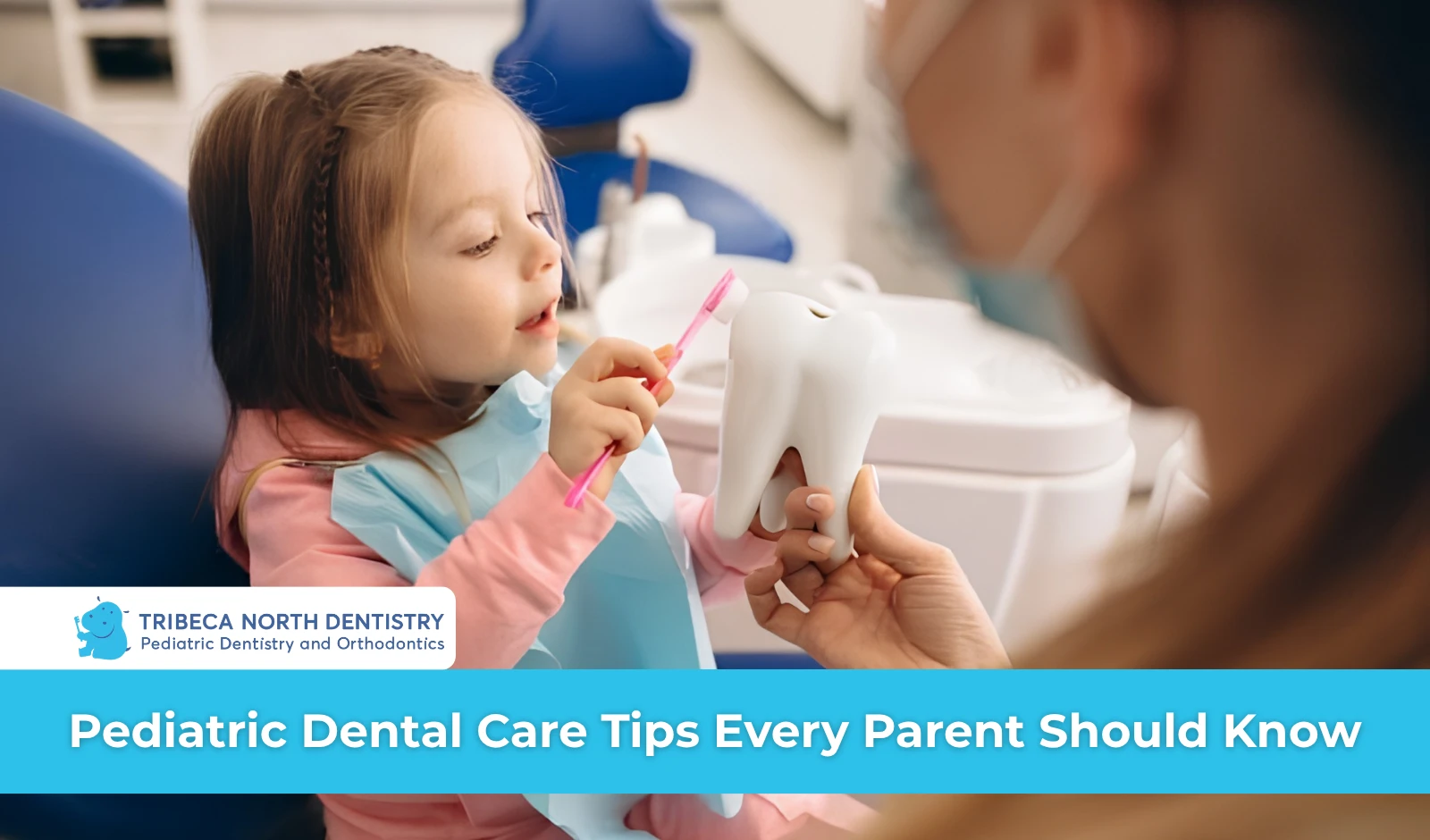
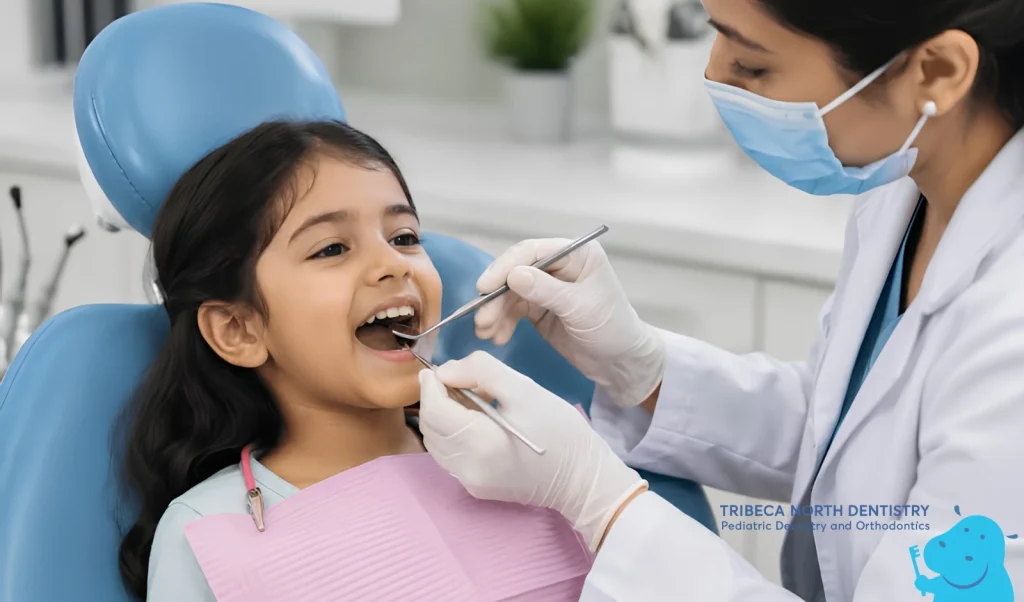
Good news: most problems are easy to catch early with routine visits. A dental exam lets the dentist check for early decay, watch how teeth are growing, and provide professional kids teeth cleaning. These visits also give parents a chance to ask questions about care at home.
Most dentists suggest a checkup every six months, though your child’s dentist may recommend a different schedule based on their needs. A typical visit often includes:
- A gentle cleaning to clear away plaque
- A check on how the bite and jaw are developing
- Fluoride treatment or sealants when they’re helpful
- Simple tips on brushing, flossing, and diet at home
Catching a small problem early is almost always easier, and far less stressful for your child, than waiting until it grows into something bigger.
Final Thoughts
Building healthy habits takes time, but small steps add up. Brushing, smart food choices, and steady checkups work together to protect a growing smile. With consistent support, these routines become second nature as adult teeth come in.
Every child learns at their own pace, so it’s okay if progress feels slow some days. Celebrate the small wins, stay patient through tricky stages like thumb sucking or brushing battles, and lean on your dentist for guidance whenever questions come up. A few consistent habits now can spare your child from bigger problems, and bigger bills, down the road.
Ready to Give Your Child a Healthy Smile?
Tribeca North Dentistry is here to support your family with gentle, friendly pediatric care. Call (212) 966-6680 today to schedule your child’s dental exam.
Frequently Asked Questions
At what age should my child have their first dental exam?
By age one, or within six months of the first tooth coming in, whichever happens first. Early visits let the dentist catch small problems before they turn into bigger ones.
Do my child's first teeth need fillings if they're going to fall out anyway?
Yes, often they do. Cavities left untreated in early teeth can cause pain and infection, and can even damage the adult teeth growing in underneath. Treating problems early keeps your child comfortable and protects their bite.
What should I do if my child is scared of the dentist?
Pick a gentle, kid-friendly dental office and talk about the visit in a positive, low-key way beforehand. Let your child ask questions and bring a favorite toy if it helps them feel at ease. Most fear fades after a few calm visits.
How can I help my child stop thumb sucking?
Use gentle reminders and praise instead of scolding, since most children stop on their own by age four. If the habit continues past that age, ask your dentist about simple strategies to help.
When do kids usually start losing their first teeth?
Around age six. Most children lose their first teeth and start growing adult teeth gradually from that point through the early teen years.
Is fluoride toothpaste safe for young kids?
Yes, when used in the right amount for their age. Follow your dentist’s guidance on how much to use, and teach your child to spit rather than swallow.
How often should my child get a new toothbrush?
Every three to four months, or sooner if the bristles look worn or frayed. A fresh brush cleans better and stays more hygienic.