Understanding Dental Sealants for Children
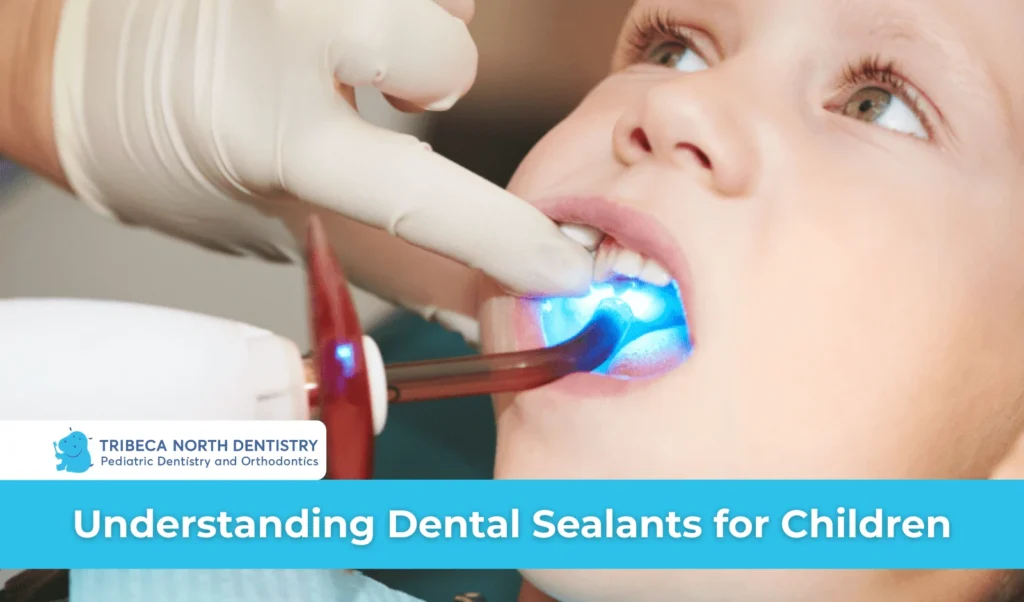
As a parent, protecting your child’s teeth is a top priority. When a dentist mentions sealants, it’s normal to wonder what dental sealants are and whether they’re really necessary. You may also ask, what is a dental sealant for kids, and how it fits into regular dental care.
Dental sealants are a common preventive option in pediatric dentistry. They are designed to help protect children’s teeth during years when cavities are more likely to develop. This guide explains how sealants work, which children may benefit most, and how they support long-term dental health, all in a clear, parent-friendly way.
What Are Dental Sealants?
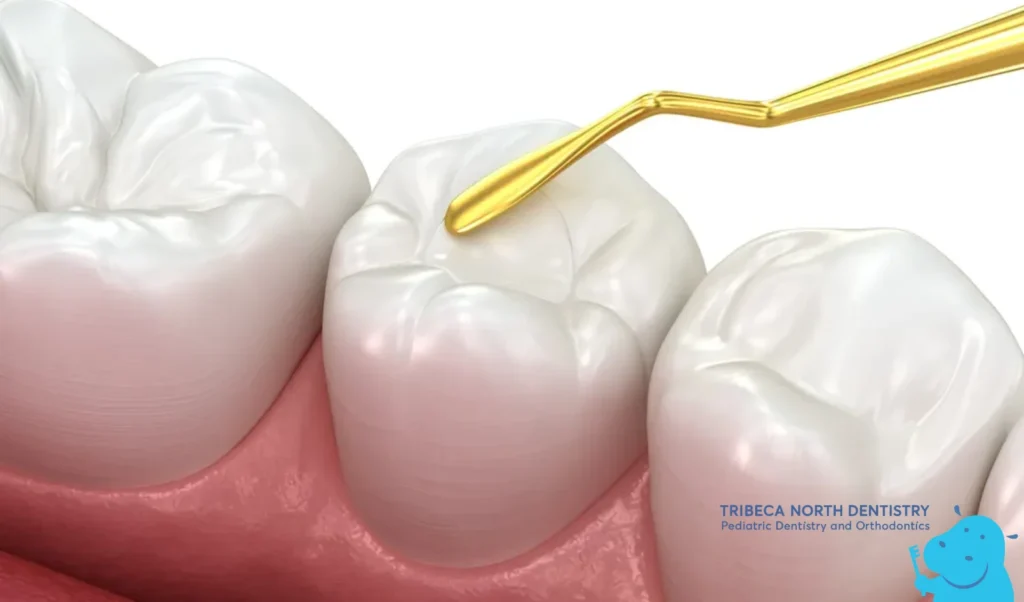
Dental sealants are thin, protective coatings placed on the chewing surfaces of certain teeth. Many parents are surprised to learn that dental sealants are thin, yet strong enough to provide added protection.
Sealants are most often placed on the back teeth, where chewing surfaces have deep grooves. These grooves can trap food and bacteria, making them harder to clean with brushing alone. Sealants act as a barrier over the tooth’s surface, helping keep these areas smoother and easier to maintain.
What Is a Dental Sealant for Kids?
So, what is a dental sealant for kids specifically? In pediatric dentistry, sealants are used as a preventive step to help prevent tooth decay before it starts. They are commonly recommended for school age children, when certain teeth are most at risk.
Sealants are especially helpful once permanent molars come in. These teeth play a major role in chewing and tend to have grooves that make them more vulnerable to cavities. By applying sealants early, dentists aim to reduce the risk of decay during important developmental years.
How Sealants Work to Protect Teeth
Understanding how sealants work can make parents feel more confident about this option.
Sealing Deep Grooves: Back teeth, especially the molars and premolars, often have uneven surfaces. Sealants flow into these deep grooves, covering areas where plaque can build up.
Creating a Protective Barrier: The sealant material forms a smooth layer over the tooth. This sealant protection helps block food and bacteria from settling into hard-to-clean spaces, supporting preventing cavities as part of regular dental care.
The Sealant Application Process
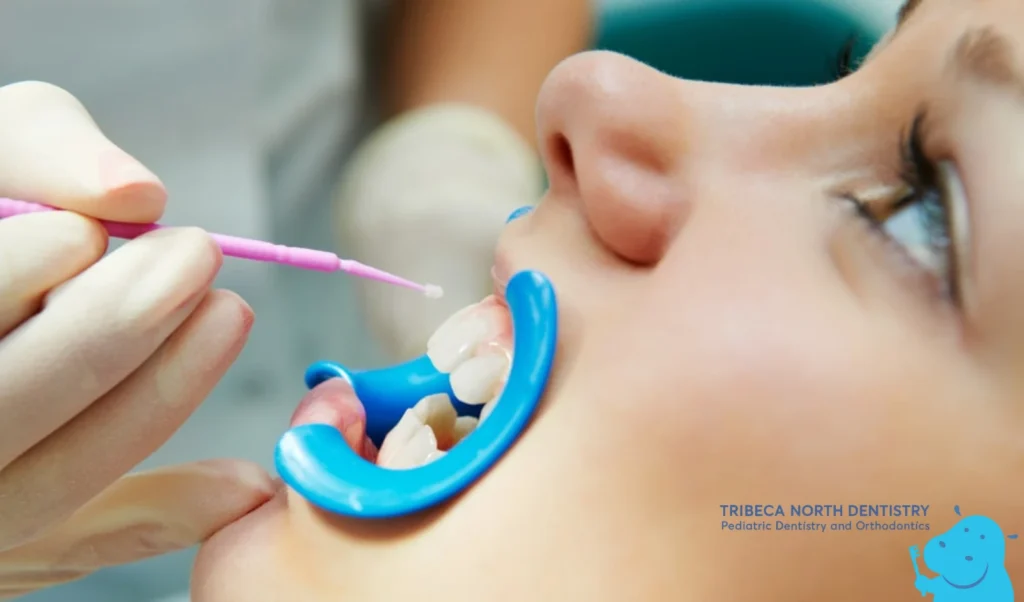
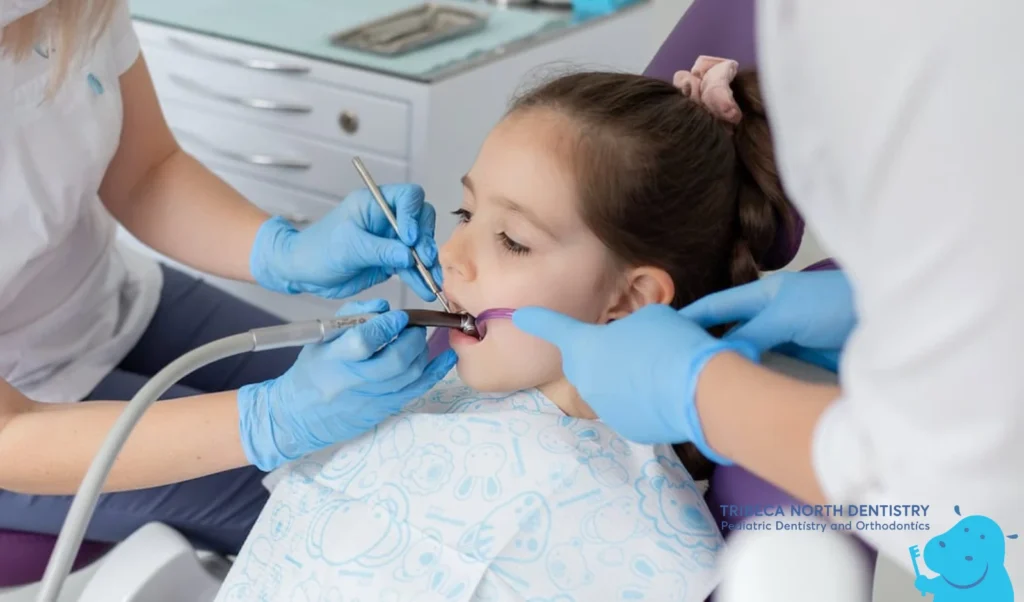
Many parents worry that sealants may be uncomfortable or time-consuming. In reality, the process is simple and child-friendly.
What Happens During the Visit
- The tooth is cleaned and dried
- A liquid sealant is applied to the tooth’s surface
- A special curing light helps the sealant harden
- The sealant bonds to the tooth
The process is quick and does not involve drilling. Once placed, sealants begin working right away to help protect your child’s teeth.
Which Children Benefit Most from Dental Sealants?
Sealants are often recommended for children aged when their permanent back teeth start to come in. This usually includes:
- School-age children with newly erupted molars
- Kids who are more prone to cavities
- Children who may have trouble reaching back teeth while brushing
While sealants are most common on permanent teeth, dentists may also discuss them for certain baby teeth if those teeth have deep grooves and are expected to remain in place for several years.
How Sealants Fit Into Regular Dental Care
It’s important to understand that sealants do not replace daily care. Even with sealants in place, brushing and flossing remain essential.
Sealants work best as part of regular dental visits and good home habits. They are designed to cover sealants on chewing surfaces only, not the sides of teeth or areas near the gums.
Practical Tips for Parents at Home
Parents play a key role in helping sealants do their job effectively.
Supporting Healthy Habits
- Encourage brushing twice a day
- Help younger children reach back teeth
- Support consistent flossing routines
- Attend regular dental checkups
These steps help sealants last longer and support overall dental health.
When to Call a Dentist About Sealants
You may want to contact a pediatric dentist if:
- Your child’s permanent molars are coming in
- You have questions about cavity prevention
- Your child has had cavities before
- You want to understand preventive options recommended by the American Dental community
A dentist can explain whether sealants are appropriate for your child and how they fit into a long-term care plan.
Why Pediatric Dentists Recommend Sealants
Sealants are widely supported in pediatric dentistry because they offer an added layer of protection during cavity-prone years. By helping prevent tooth decay, sealants support healthier smiles and fewer dental issues as children grow.
For many families, sealants are a simple step toward maintaining strong teeth and supporting lifelong oral health.
Final Thoughts: A Simple Way to Protect Young Smiles
So, what are dental sealants and why do dentists recommend them? For many children, sealants provide extra protection for teeth that are hardest to keep clean. When combined with good brushing habits and routine dental visits, sealants can play a valuable role in protecting your child’s smile.
Understanding preventive options helps parents make informed choices and feel confident about their child’s dental care.
Protecting Your Child’s Smile Starts Here
If you’d like to learn more about dental sealants or want to know whether they’re right for your child, the team at Tribeca North Dentistry is here to help. We take a gentle, family-focused approach to pediatric dental care.
Call Tribeca North Dentistry at 212-966-6680 to schedule an appointment and support your child’s healthy, confident smile.