Tooth Extraction at Tribeca North Dentistry
Safe, comfortable dental care to relieve pain and protect your oral health
At Tribeca North Dentistry, we provide gentle and precise tooth extraction services.
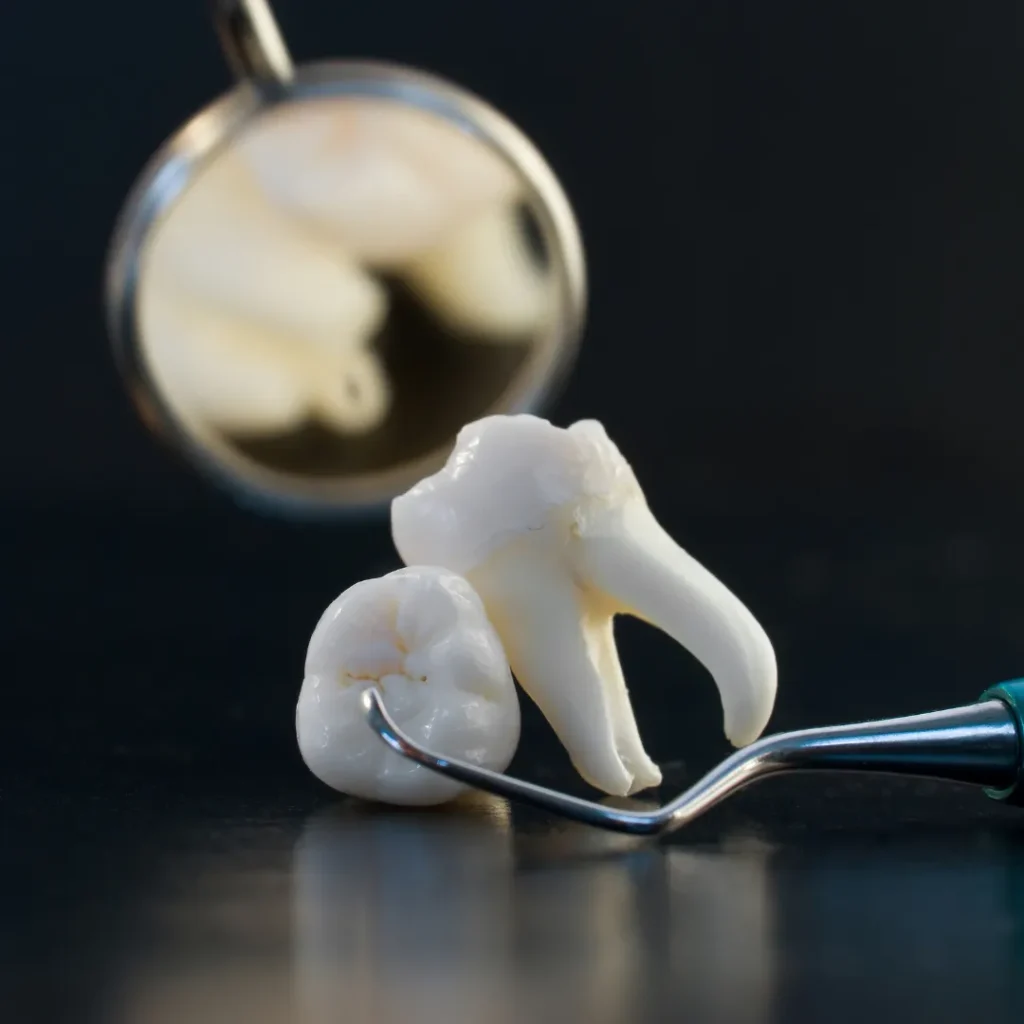
Professional Tooth Extraction in Tribeca
Our goal is always to protect your oral health while keeping you comfortable throughout the process. When handled properly by a skilled general dentist, extractions can prevent infection, relieve pain, and stop dental problems from spreading.
When Is Tooth Extraction Necessary
A tooth may need to be removed when other dental procedures are no longer effective. Common reasons include
- Severe tooth decay or infection
- A cracked or broken tooth beyond repair
- Advanced gum disease
- Overcrowding or orthodontic needs
- Failed root canal treatment
- Pain that affects daily life
Whenever possible, we explore alternatives before recommending extraction. Removing a tooth is always considered carefully as part of your overall dental care plan.

Types of Tooth Extractions
There are different tooth extractions depending on the condition of the tooth.
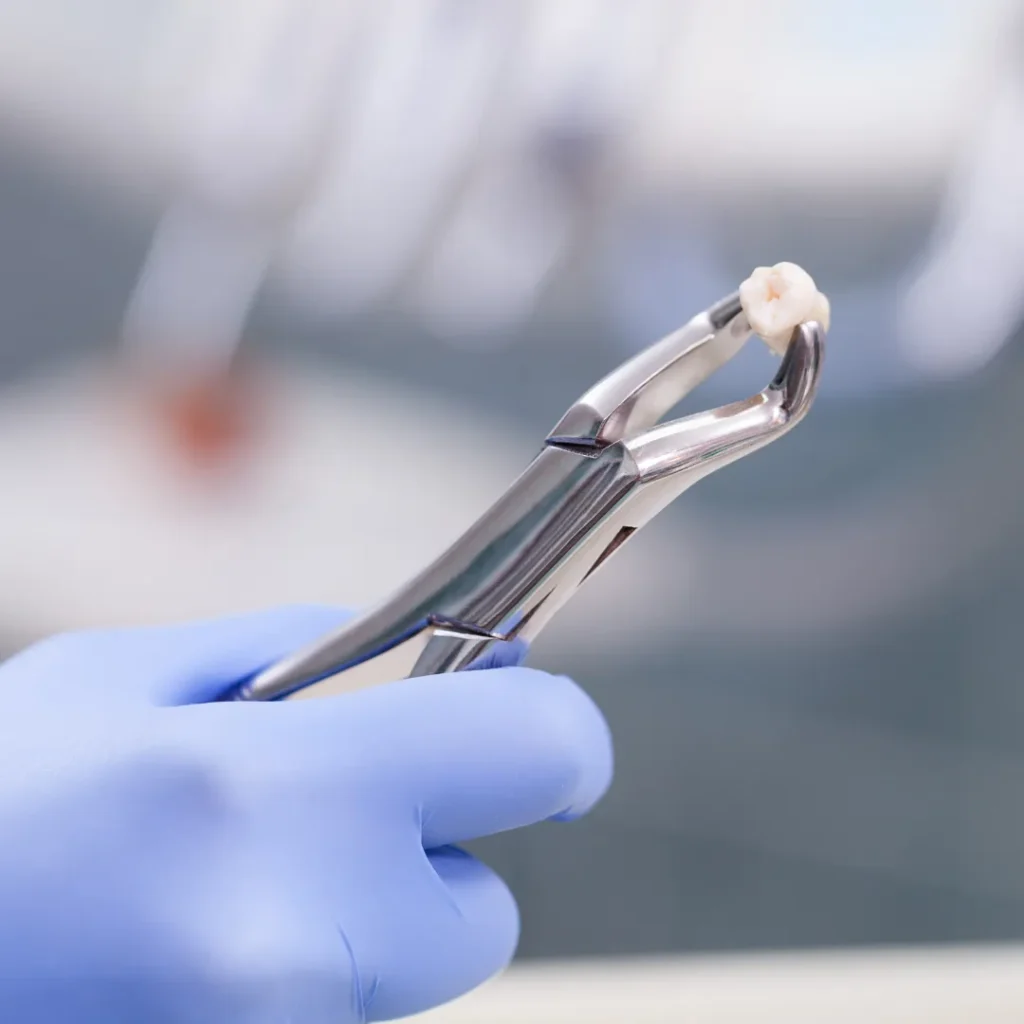
Simple Extractions
Simple extractions are performed when the tooth is visible above the gum line. These are straightforward dental procedures commonly completed in one visit.

Surgical Extractions
Surgical extractions may be required for teeth that are broken below the gum line or impacted. These procedures may involve a different type of anesthesia depending on complexity. Your dentist will explain which option is best for your situation.
Looking for Tooth Extraction Near You?
If you are searching for tooth extraction near you, Tribeca North Dentistry provides reliable care focused on comfort, safety, and long-term dental health.
📍 Location: Tribeca North Dentistry
78 Laight St, New York, NY 10013, United States
📞 Phone: 212-966-6680
What to Expect During the Procedure
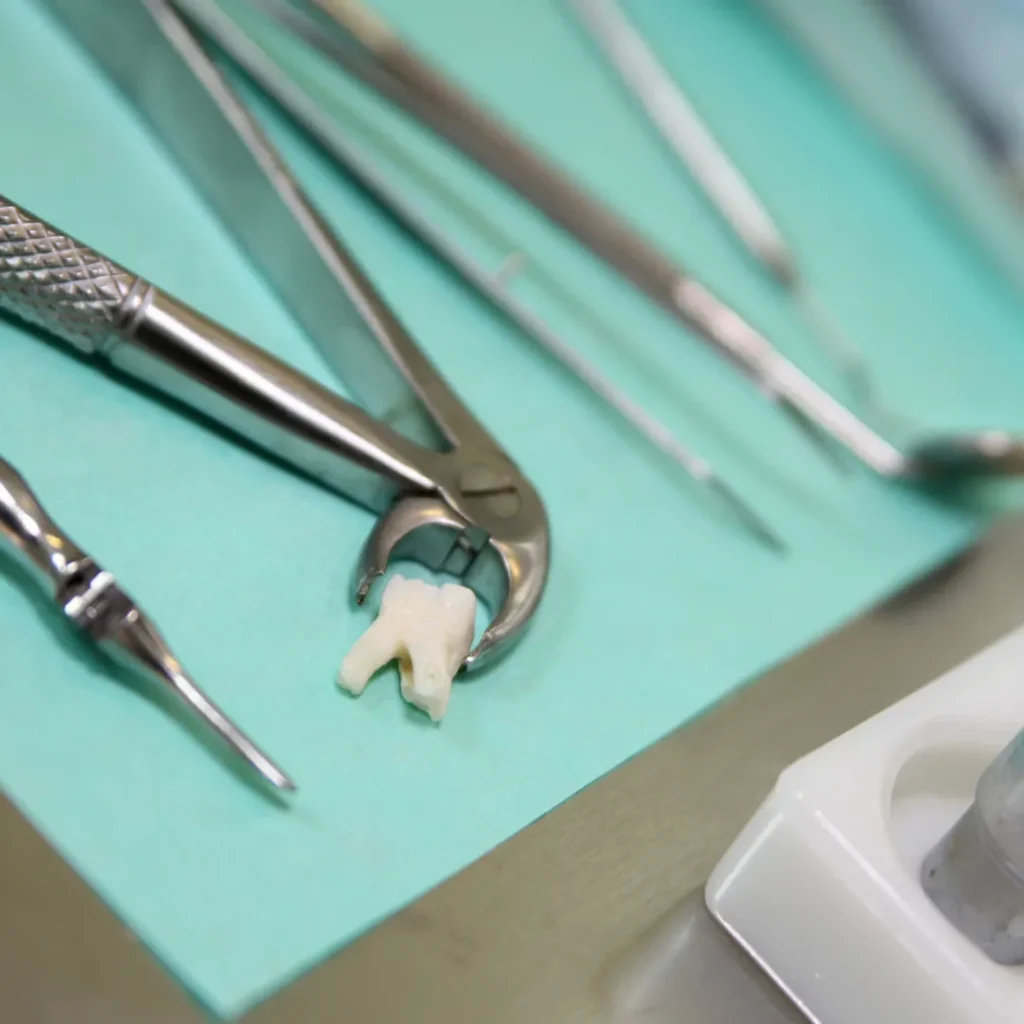
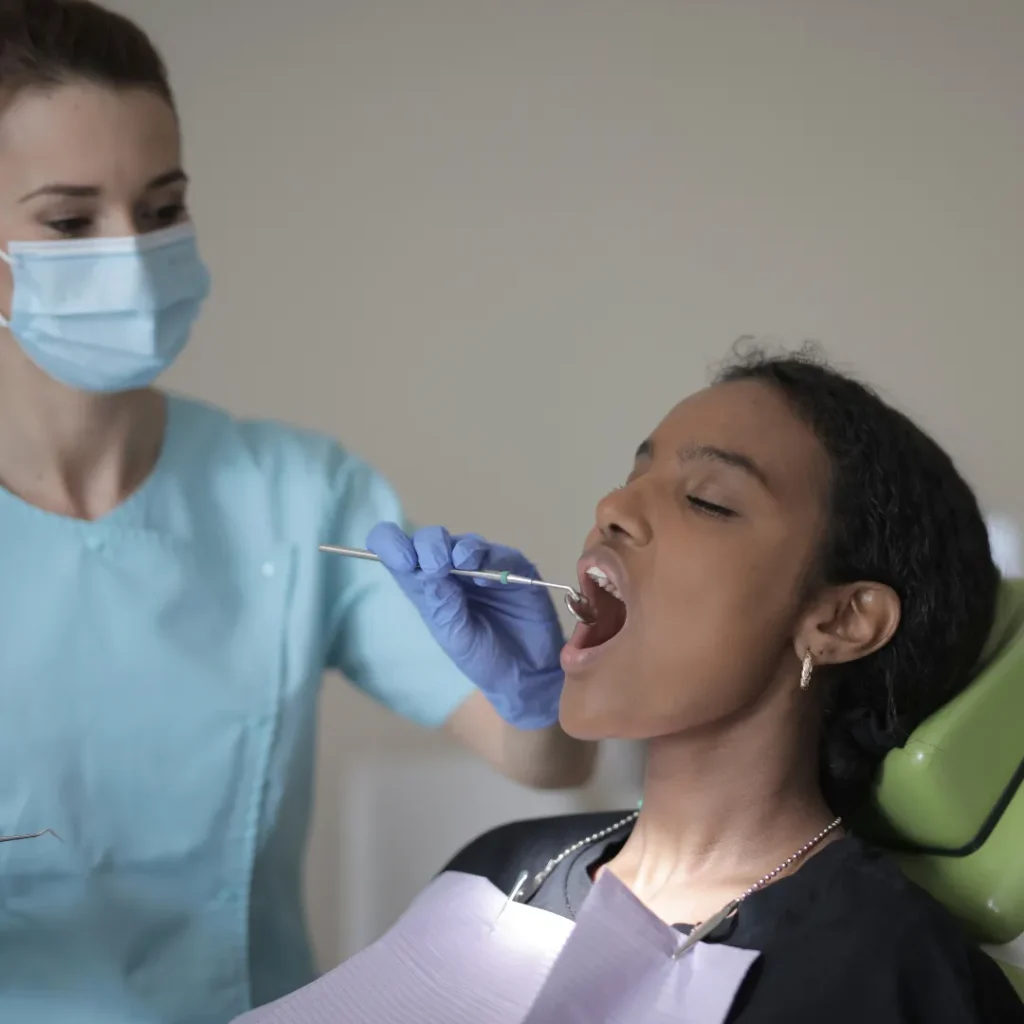
Your visit begins with a full exam and imaging to evaluate the tooth and surrounding area. The tooth and gums are fully numbed, and the extraction is performed carefully to protect nearby tissue.
After removal, a blood clot forms at the extraction site. This clot is essential for proper healing and must be protected during the first 24 hours to avoid complications such as dry socket.
Tooth Extraction Cost and What Affects It
The tooth extraction cost can vary depending on several factors, including
- Whether the procedure is simple or surgical
- The location of the tooth
- The type of anesthesia used
- The condition of the surrounding bone
- Whether additional treatment is required
The cost of tooth extraction is different for each patient. The average cost for simple procedures is generally lower than surgical ones. We provide clear pricing and discuss your pocket cost before treatment.
We also help patients review dental insurance plans and understand how their dental plan may apply. Coverage often varies depending on the cost of a tooth extraction and your insurance benefits.
Tooth Replacement Options After Extraction
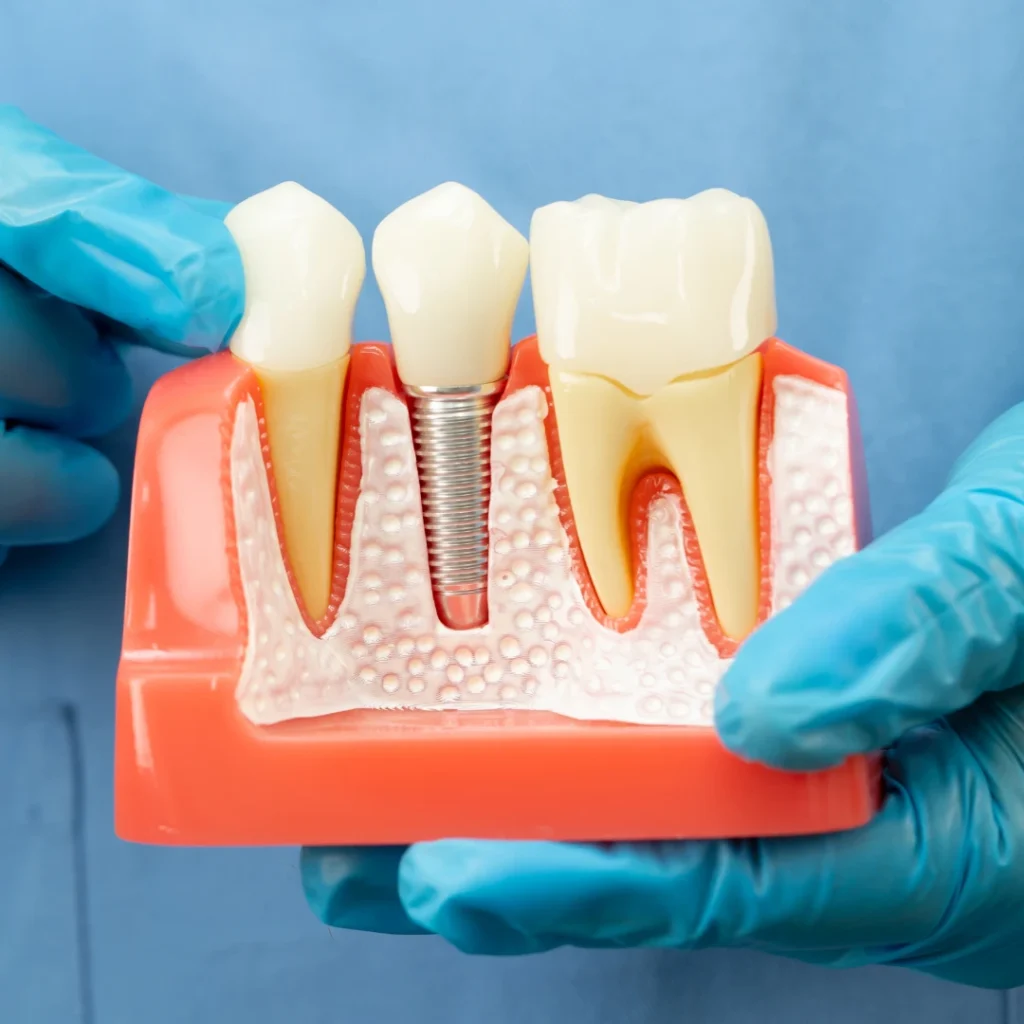
In some cases, replacing the removed tooth helps protect long-term oral health. A missing tooth can cause nearby teeth to shift or affect your bite.
One common replacement option is a dental implant, which restores function and appearance while protecting jawbone health. Your dentist will discuss whether replacement is recommended for your situation.

Healing and Aftercare Instructions
Following proper aftercare instructions is key to a smooth recovery. Most patients heal well when guidelines are followed.
After your extraction, we recommend
- Eating soft food for the first few days
- Avoiding smoking or drinking through a straw
- Keeping the area clean without disturbing the blood clot
- Taking medications as directed
These steps reduce the risk of dry socket and support faster healing.

Why Choose Tribeca North Dentistry
Patients trust us for tooth extractions because we offer
- Experienced general dentists
- Modern techniques for comfort and safety
- Clear explanations of treatment and cost
- Support with dental insurance plans
- Compassionate, patient-focused care
We believe informed patients feel more confident and comfortable throughout treatment.
Tribeca North Dentistry is here to make you smile.
Frequently Asked Questions
How do I know if I need a tooth extraction?
A tooth extraction may be recommended when a tooth cannot be predictably restored due to severe decay, infection, damage, or other oral health concerns.
Can my tooth be saved instead of extracted?
Whenever possible, dentists explore treatments that preserve natural teeth before recommending extraction.
What's the difference between a simple extraction and a surgical extraction?
A simple extraction is performed on a visible tooth above the gum line, while a surgical extraction may be needed for impacted, broken, or difficult-to-access teeth.
Does a tooth extraction hurt?
The area is numbed before treatment to help keep patients comfortable during the procedure. Your dentist will discuss available options based on your needs.
What happens during a tooth extraction?
The dentist will evaluate the tooth, numb the area, carefully remove the tooth, and provide instructions to support proper healing.
Will I need X-rays before a tooth extraction?
Yes. Dental imaging is commonly used to evaluate the tooth, surrounding bone, and nearby structures before treatment.
How long does it take to recover from a tooth extraction?
Recovery times vary, but many patients begin feeling better within a few days while the extraction site continues to heal over time.
What can I eat after a tooth extraction?
Soft foods are commonly recommended during the early stages of healing to help protect the extraction site.
What is dry socket?
Dry socket is a healing complication that can occur when the protective blood clot is lost too early from the extraction site.
How can I help my extraction site heal properly?
Following your dentist’s instructions, avoiding activities that disturb the blood clot, and maintaining good oral hygiene can support healing.
Do all extracted teeth need to be replaced?
Not always. Your dentist can discuss whether replacing the tooth is recommended based on its location and function.
What are my options for replacing a missing tooth?
Depending on your needs, options may include dental implants, bridges, or other restorative treatments designed to restore function and appearance.