Baby Teeth Cleaning at Tribeca North Dentistry
Gentle care to protect your child’s smile from the very first tooth
At Tribeca North Dentistry, we believe healthy smiles start early. Baby teeth cleaning helps protect your child’s teeth from decay and builds good habits that last a lifetime. Even though baby teeth are temporary, they play an important role in your child’s growth, speech, and overall health.
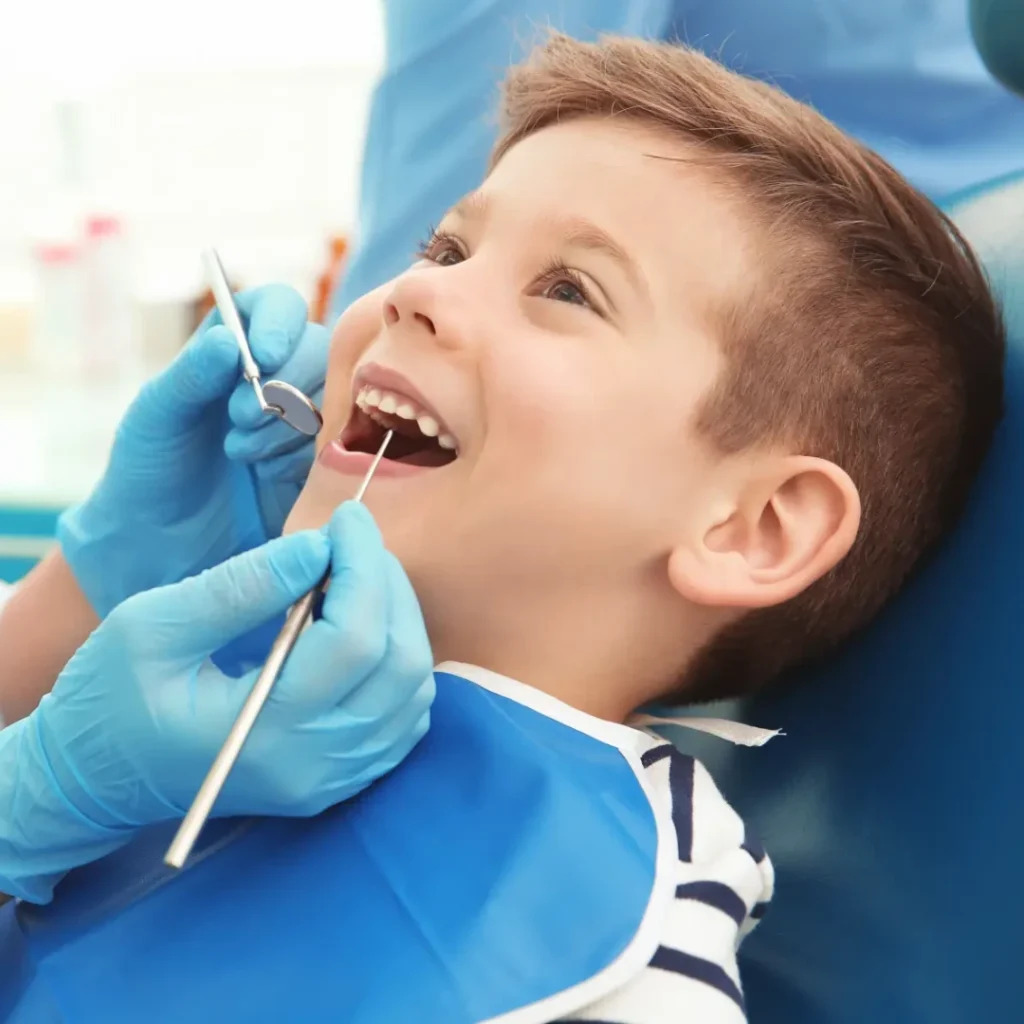
Gentle Baby Teeth Cleaning for Healthy Smiles
Cleaning baby teeth early helps keep your child’s mouth healthy and prepares the way for strong adult teeth in the future. Our team offers calm, gentle care designed for infants and young children in a safe, kid-friendly dental office.
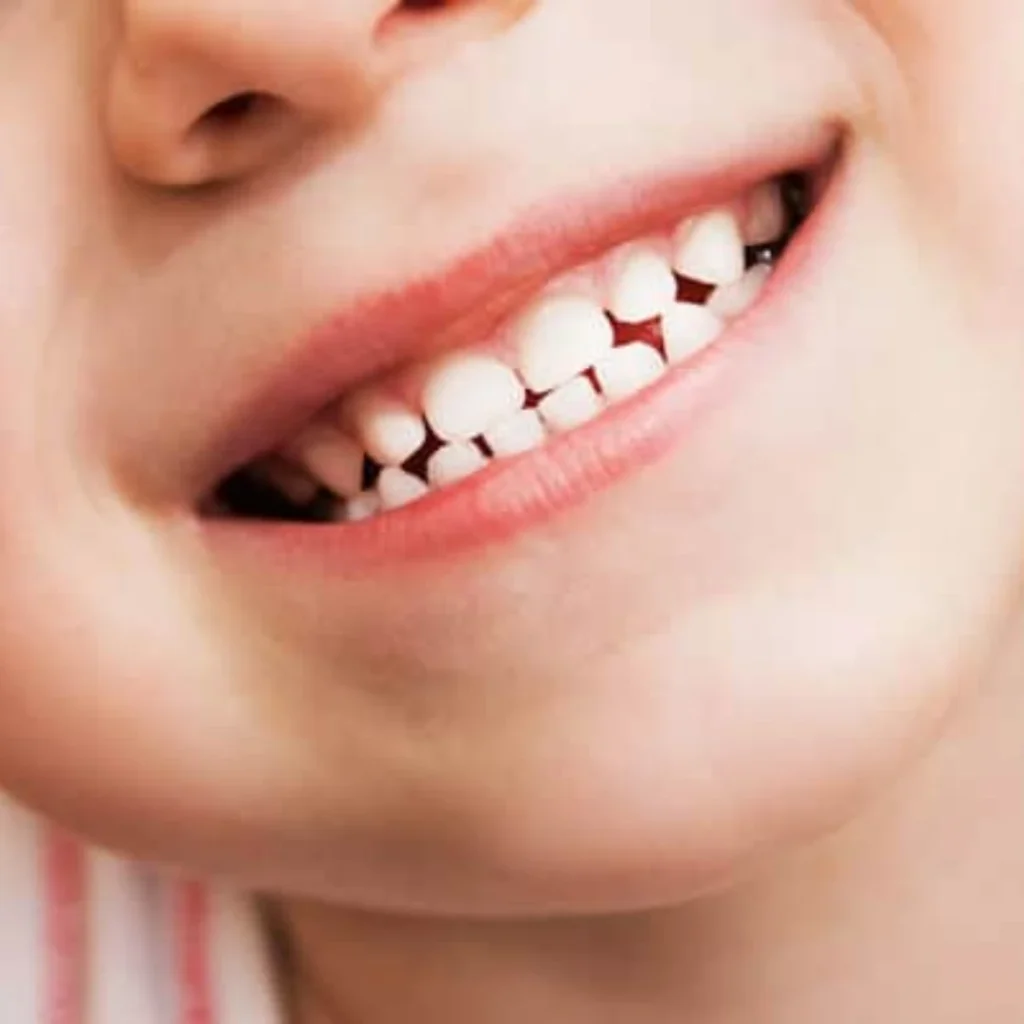
Why Baby Teeth Cleaning Is Important
Baby teeth may fall out, but they serve many important purposes. They help children chew food, speak clearly, and hold spaces for permanent teeth to come in properly. When baby teeth are not cleaned well, problems like cavities and infections can affect your child’s comfort and health.
Regular cleaning helps
- Prevent tooth decay
- Keep baby teeth strong
- Protect the gums
- Support healthy development of adult teeth
- Build comfort with dental visits
Early dental care is an important part of pediatric dentistry and overall health care.

When Should You Start Cleaning Baby Teeth
You should begin cleaning your baby’s mouth as soon as teeth start to appear. In most children, teeth start coming in around six months of age, but this can vary.
Before teeth appear, gently wipe your baby’s gums using a clean gauze pad after feedings. Once the first baby tooth comes in, it’s time to begin brushing.
Looking for Baby Teeth Cleaning Near You
If you are searching for baby teeth cleaning or cleaning baby teeth with a gentle dental team, Tribeca North Dentistry provides trusted care for growing smiles. Our goal is to make early dental visits positive, calm, and helpful for the entire family.
📍 Location: Tribeca North Dentistry
78 Laight St, New York, NY 10013, United States
📞 Phone: 212-966-6680
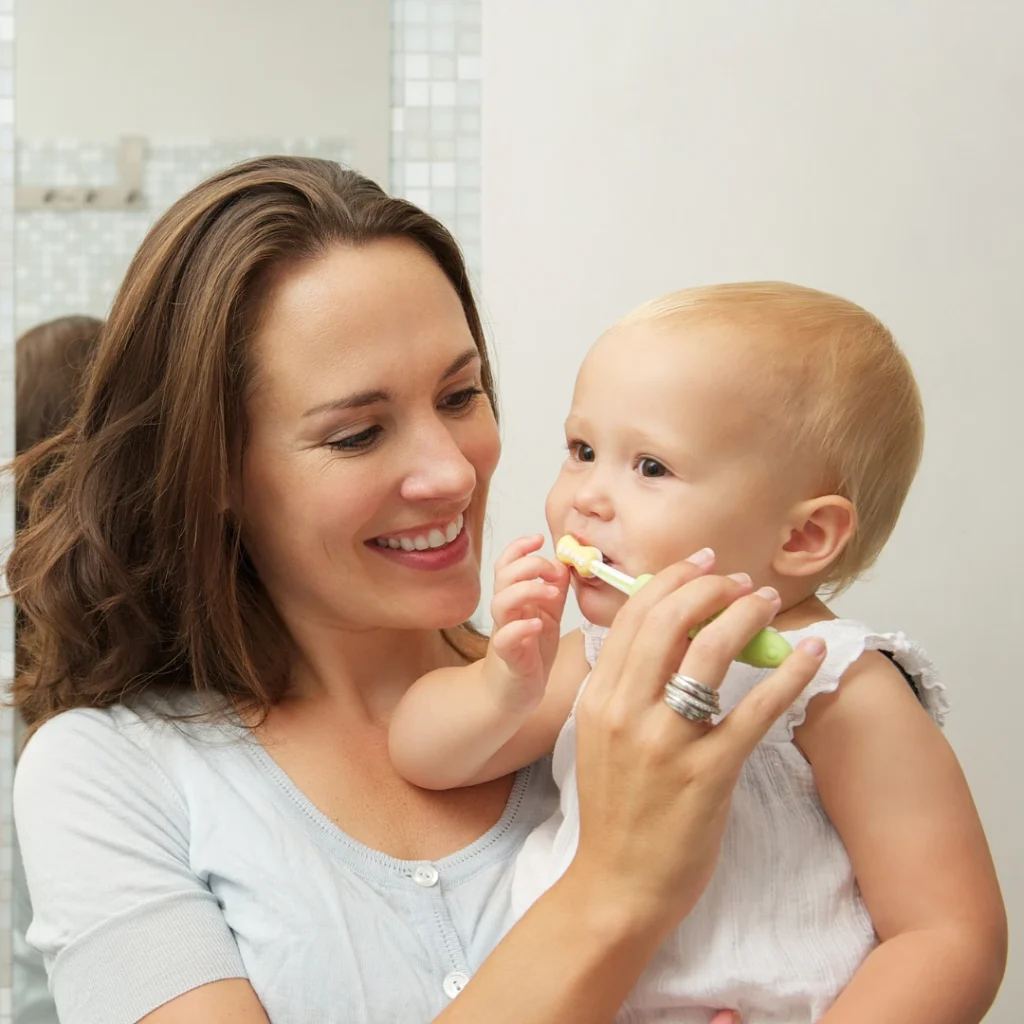
How to Clean Baby Teeth at Home
Caring for your child’s teeth at home is simple when done correctly. Follow these steps for safe and effective cleaning.
- Use a soft-bristle toothbrush designed for infants
- Brush twice a day gently
- Use fluoride toothpaste in the right amount
- For children under age three, use a grain of rice size
- For children ages three to six, use a pea-sized amount
- Avoid using large or excessive amounts of toothpaste
Using small amounts of toothpaste helps protect your child’s teeth without risk.
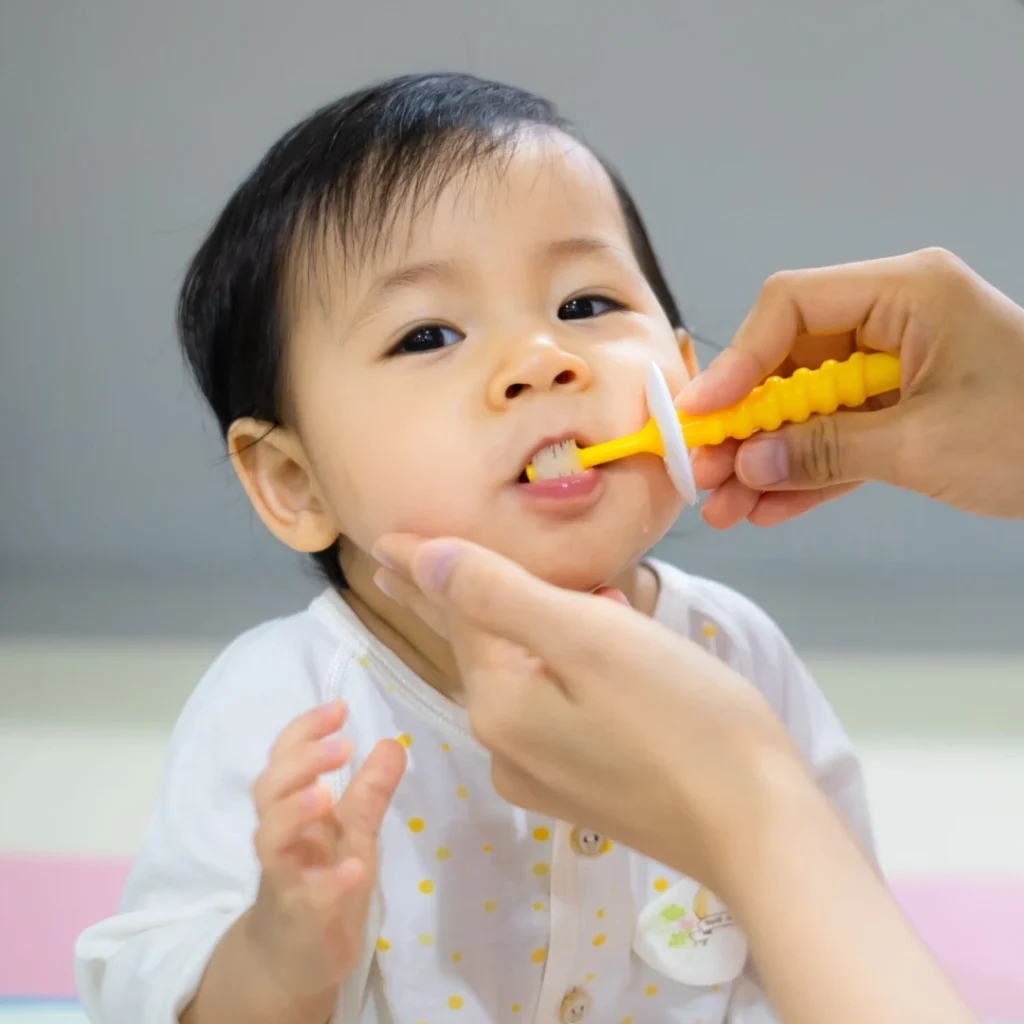
What Happens During a Baby Teeth Cleaning Visit
Our dental team makes every visit gentle and stress-free. During your child’s appointment, we focus on comfort, education, and prevention.
A baby’s teeth cleaning visit may include
- Gently wiping or brushing the teeth
- Checking your child’s teeth and gums
- Looking for early signs of decay
- Reviewing brushing techniques
- Answering parent questions
- Offering guidance based on your child’s age
We explain everything in simple words so parents feel confident and children feel safe.
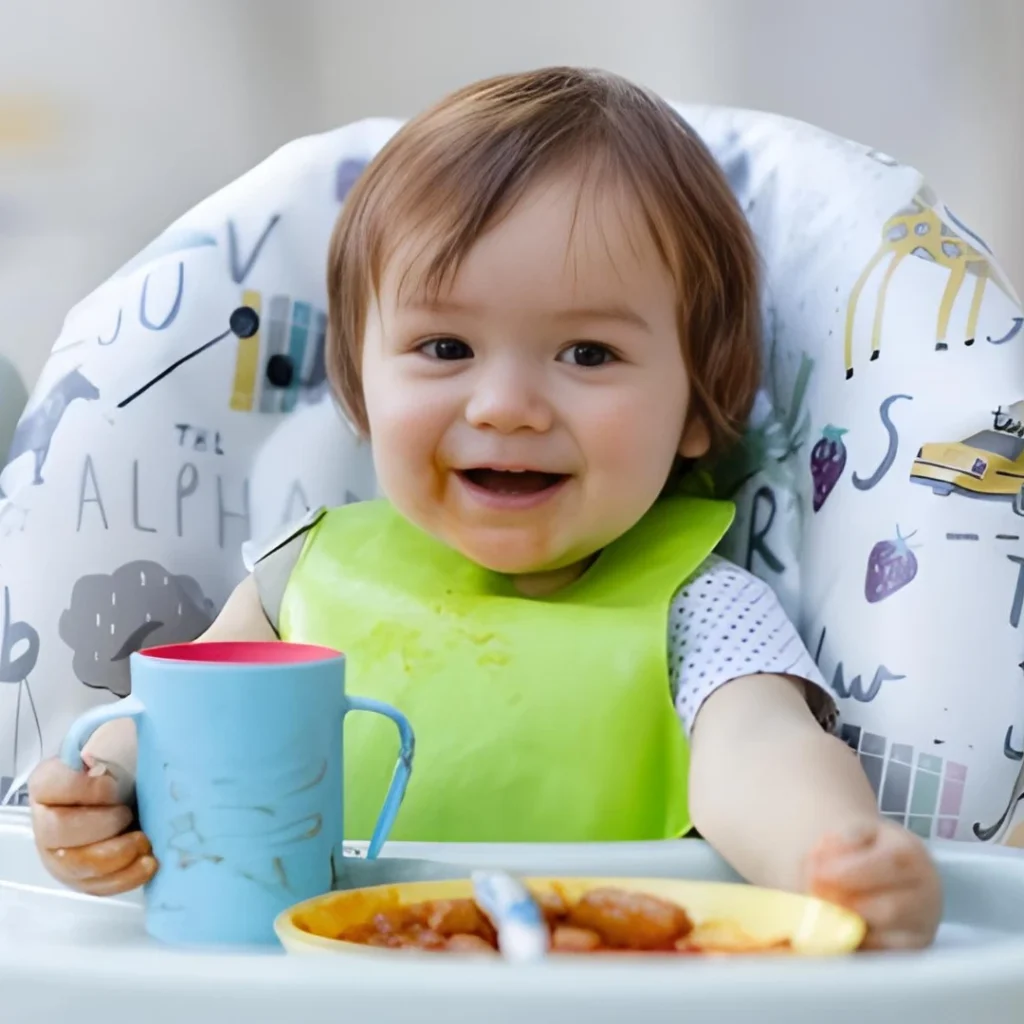
Foods and Drinks That Affect Baby Teeth
Certain foods and drinks can increase the risk of cavities, especially when teeth are not cleaned regularly. Sugary drinks, juice in bottles, and frequent snacking can lead to decay.
We help parents understand
- Which snacks are tooth-friendly
- How often should children eat
- Why water is best between meals
- How nighttime bottles affect teeth
These habits support healthier baby teeth and smoother development of adult teeth later on.

Baby Teeth vs Adult Teeth
Baby teeth guide adult teeth into the correct position. When baby teeth are lost too early due to decay, nearby teeth can shift. This may cause crowding or alignment issues when permanent teeth come in.
By keeping baby teeth clean and healthy, you help
- Maintain proper spacing
- Reduce future dental treatments
- Support long-term oral health

A Gentle Approach to Pediatric Dentistry
Our approach to pediatric dentistry focuses on prevention and comfort. We understand that young children need patience and care during dental visits. Our dental office is welcoming, calm, and designed for children of all ages.
We work closely with parents to support healthy habits from infancy through early childhood.
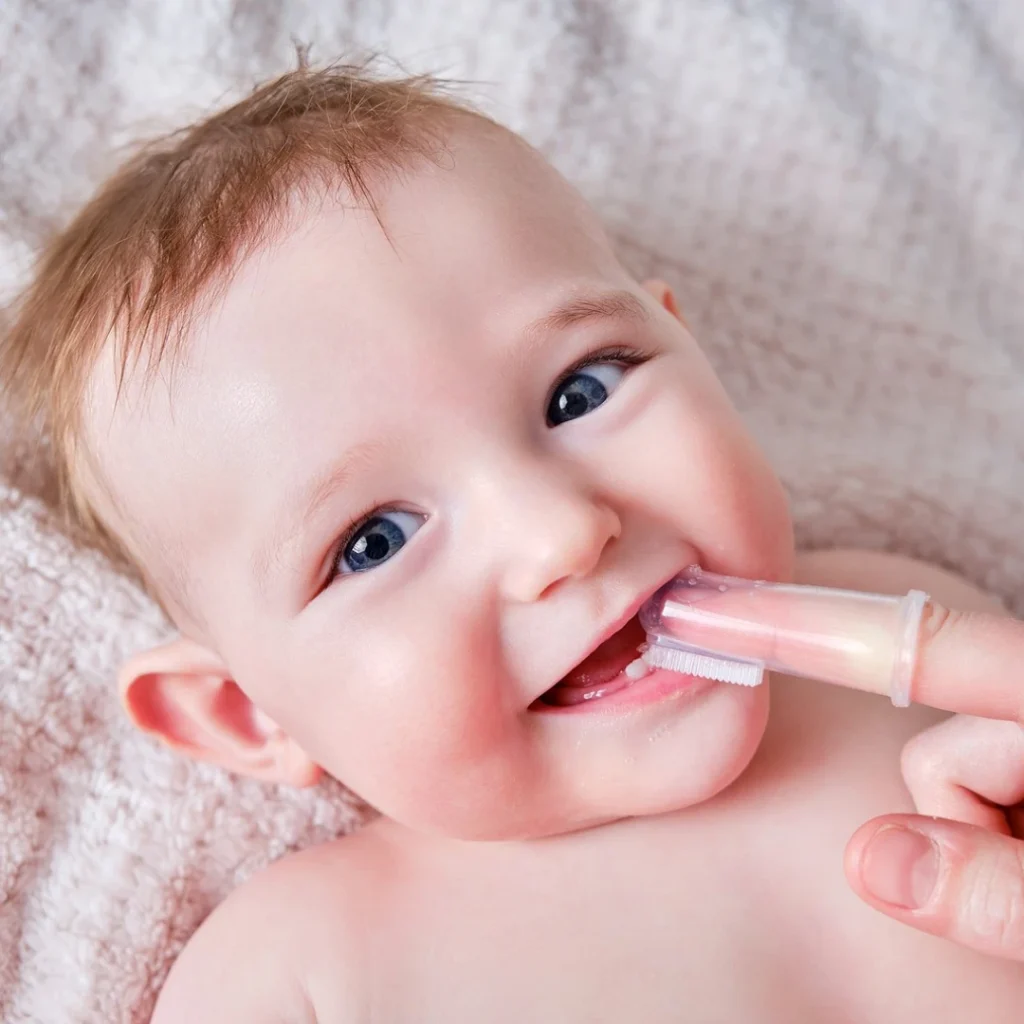
How Often Should Baby Teeth Be Cleaned
At home, baby teeth should be cleaned every day. Professional cleanings are recommended as advised by your dentist, often starting by your child’s first birthday or within six months of the first tooth appearing.
Regular visits allow us to monitor growth and keep your child’s teeth clean and healthy.
Tribeca North Dentistry is here to make you smile.
Frequently Asked Questions
When should I start cleaning my baby's teeth?
You should begin cleaning your baby’s mouth before teeth appear by gently wiping the gums. Once the first tooth erupts, regular brushing should begin.
Why are baby teeth important if they eventually fall out?
Baby teeth help children chew, speak clearly, and maintain space for permanent teeth to develop properly.
Can baby teeth get cavities?
Yes. Baby teeth can develop cavities, which is why daily oral hygiene and regular dental visits are important.
How do I clean my baby's teeth at home?
Use a soft-bristled infant toothbrush and gently brush your child’s teeth twice a day using the appropriate amount of toothpaste for their age.
What type of toothpaste should I use for my baby?
Your dentist can recommend the most appropriate toothpaste and amount to use based on your child’s age and dental needs.
Can bottles and sugary drinks affect baby teeth?
Yes. Frequent exposure to sugary drinks and prolonged bottle use may increase the risk of tooth decay.
What happens during a baby teeth cleaning visit?
The visit may include a gentle cleaning, an examination of the teeth and gums, monitoring of oral development, and guidance for parents on home care.
Can a dentist check for early signs of tooth decay in babies?
Yes. Regular dental visits allow the dentist to identify early signs of decay and recommend preventive care when needed.
Can losing baby teeth too early affect adult teeth?
Yes. Baby teeth help guide permanent teeth into position, so early tooth loss may affect future spacing and alignment.
What should I do if my baby doesn't like having their teeth brushed?
Many babies need time to adjust to brushing. Using a gentle approach and establishing a daily routine can help make oral care easier.
What are the signs of tooth decay in babies?
Early signs may include white spots, discoloration, sensitivity, or visible damage to the teeth. A dental evaluation can help identify concerns early.
How can I help keep my baby's teeth healthy?
Daily brushing, healthy feeding habits, regular dental visits, and limiting sugary drinks can help support healthy oral development.