


Quick Answer
What can you expect during a professional dental cleaning?
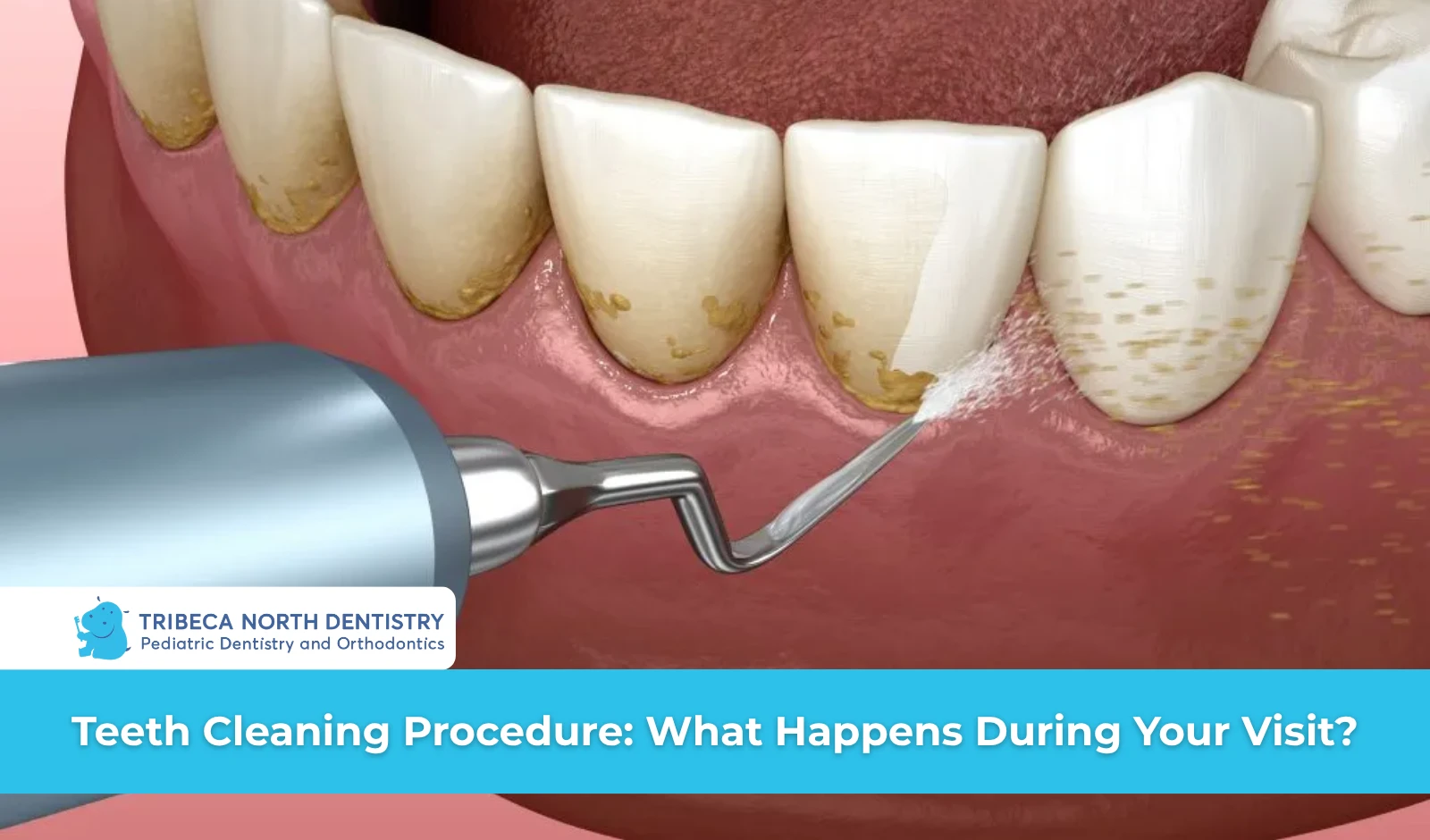
A professional cleaning helps remove plaque and hardened tartar from areas that may be difficult to reach with daily brushing and flossing. Depending on your oral health, the appointment may include an examination, scaling, polishing, flossing, and preventive treatment. If buildup extends below the gums, a deeper cleaning may be recommended.
Key Takeaways
- Professional cleaning removes plaque and hardened tartar.
- Routine cleaning focuses on preventive maintenance.
- Deep cleaning treats buildup below the gum line.
- Your teeth and gums are evaluated during the appointment.
- Consistent home care remains important between visits.
Understanding the teeth cleaning procedure can help you know what to expect before your appointment. Professional care removes buildup that daily brushing may leave behind while giving your dental team an opportunity to check for changes in your teeth and gums.
The type of cleaning you receive depends on your oral health. A routine visit may be enough for preventive maintenance, while signs of periodontal disease may indicate that treatment below the gums is necessary.
What Happens During a Routine Teeth Cleaning?
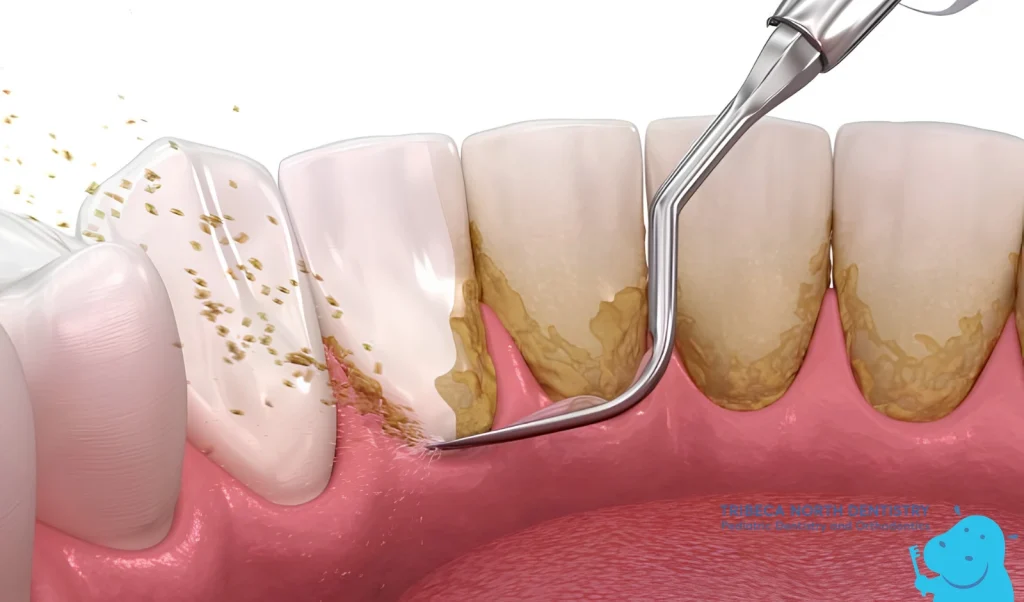
If you are wondering what happens during a teeth cleaning, the appointment usually starts with an evaluation of your mouth. Your dental professional checks the teeth and gums before beginning the cleaning process.
A routine visit may involve:
- Removing plaque and tartar from tooth surfaces
- Cleaning around the gum line
- Polishing away some surface stains
- Flossing between the teeth
- Checking areas that require additional attention
- Providing a fluoride treatment when appropriate
These professional teeth cleanings complement your home routine and help keep hard-to-reach areas clean.
How Is Deep Cleaning Different From Routine Cleaning?
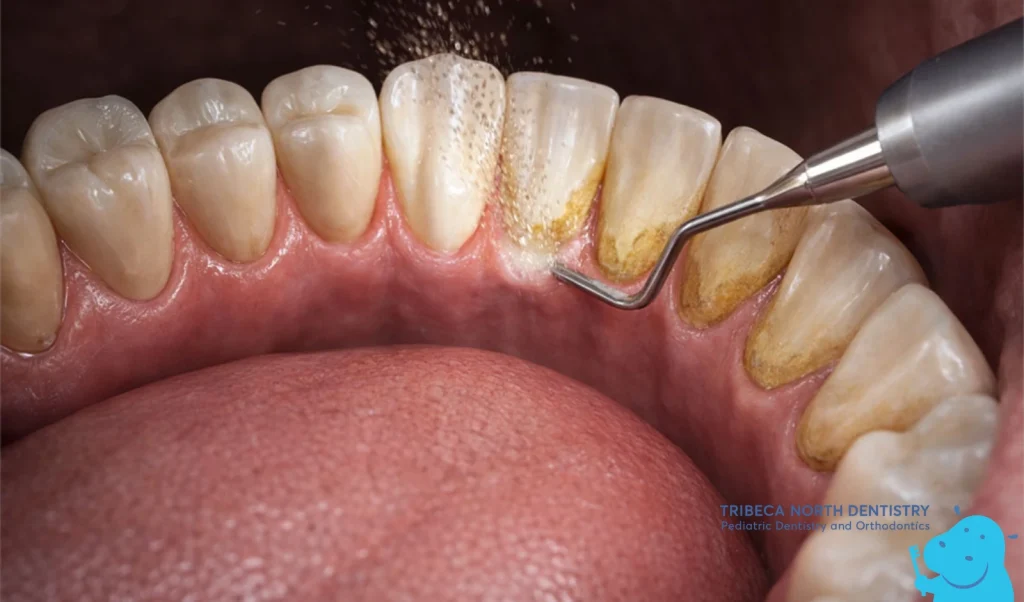
A deep teeth cleaning procedure focuses on buildup that has collected beneath the gums and around the roots of the teeth. This differs from a routine cleaning, which primarily addresses plaque and tartar around the visible portions of the teeth and gumline.
Deep cleaning is commonly called scaling and root planing. Scaling removes deposits from above and below the gums, while root planing smooths the root surfaces. This creates a cleaner surface that can help the gums reattach more closely to the teeth during healing.
What Happens During a Deep Teeth Cleaning?
For anyone asking what happens during a deep teeth cleaning, treatment may be divided into different areas of the mouth and completed over more than one appointment. Local anesthetic may be used to help keep you comfortable while deeper areas around the roots are cleaned.
Once buildup has been removed, the gum tissue needs time to recover. Your dental team may recommend follow-up visits to check healing and determine whether further care for periodontal disease is necessary.
What Should You Expect After a Deep Cleaning?
Some tenderness or sensitive teeth may occur after treatment, particularly when buildup has been removed from deeper areas around the roots. Temporary gum sensitivity can also occur while the tissues recover.
Follow the instructions provided by your dental team after treatment. Continue to brush your teeth carefully and maintain good oral hygiene unless you receive different instructions for the treated areas.
Why Do Professional Cleanings Matter?
Even with good brushing and flossing, tartar can form in areas that are difficult to clean at home. Once plaque has hardened into tartar, it cannot be effectively removed with a regular toothbrush.
Regular cleanings help manage this buildup and allow the dental team to monitor concerns such as bleeding gums or changes in gum health. Maintaining healthy teeth and gums is also an important part of supporting your overall health.
Final Thoughts
Routine and deep cleanings serve different purposes. Preventive cleaning manages everyday buildup, while deeper treatment addresses deposits below the gums when periodontal concerns are present.
Your dentist can determine which approach is appropriate for you. Keeping up with a regular dental exam, professional care, and daily oral hygiene can help maintain healthier teeth and gums over time.
Take a Preventive Step for a Healthier Smile
At Tribeca North Dentistry, our team can evaluate your teeth and gums and recommend the type of cleaning that fits your needs. Ready for your next visit? Call (212) 966-6680 to schedule an appointment
Frequently Asked Questions
How long does a professional teeth cleaning usually take?
A professional cleaning often takes less than an hour, but appointment times vary. The amount of buildup, condition of your gums, and type of cleaning needed can all affect how long your visit takes.
Is a professional dental cleaning painful?
Usually, no. Routine cleaning is generally well tolerated. You may notice some sensitivity if your gums are inflamed or your teeth are sensitive, so let your dental professional know if you feel uncomfortable.
How often should I have my teeth professionally cleaned?
The recommended schedule depends on your individual oral health. Some patients may follow a routine preventive schedule, while people with gum disease or other risk factors may need more frequent professional care.
Can I eat after having my teeth cleaned?
Yes, in most cases. You can usually eat after a routine cleaning. If fluoride or another treatment was applied, your dental team may recommend waiting for a specific period before eating or drinking.
Will a professional cleaning whiten my teeth?
Not in the same way as teeth whitening. Cleaning can remove some surface stains and buildup, which may make your smile appear brighter, but it does not change the natural shade of your teeth.
Can I have my teeth professionally cleaned while wearing braces?
Yes. Professional cleaning is especially helpful when you have braces because plaque can collect around brackets and wires. Your dental professional can carefully clean around your orthodontic appliances.
Do I need to do anything before a teeth cleaning appointment?
Continue your usual oral hygiene routine before your appointment. You should also tell your dental team about tooth sensitivity, bleeding gums, changes in your mouth, or other concerns you want them to evaluate.